
Too often, disability inclusion starts with adapting programs before understanding—and meaningfully involving—the people those programs are meant to reach.
Through the WISH2 project, a recent workshop in Ethiopia brought together people with disabilities, the Federal Ministry of Health, youth representatives, and civil society organizations to co-design more inclusive approaches to and messages for sexual and reproductive health communication.
Participants with different types of disabilities – including members of Ethiopia’s national organizations representing people who are deaf, blind, and have physical disabilities, as well as the Federation of Ethiopian Associations of Persons with Disabilities – helped move the conversation beyond assumptions and toward a deeper understanding of the barriers people with different types of disabilities face.
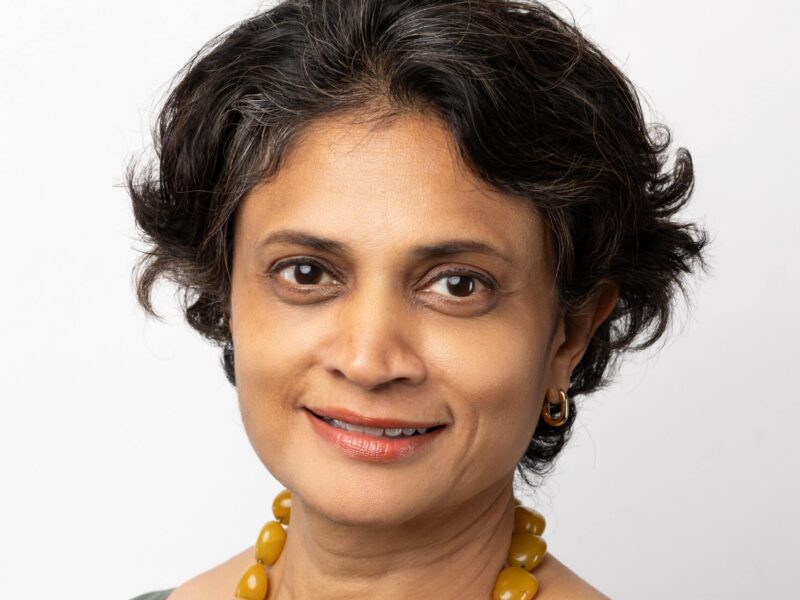
For the Johns Hopkins Center for Communication Programs’ Esete Getachew, who helped lead the workshop, the biggest lesson was the importance of listening first.
“We created space for participants to say what their needs are, how they see their challenges, and what responses they would expect from family planning or sexual and reproductive health programs,” Getachew said.
Those conversations challenged some common assumptions – and highlighted four lessons for designing more inclusive programs.
- Listen before designing
The workshop began with a simple shift: asking people with disabilities to define their own priorities rather than starting with preconceived notions of what they need.
One participant with a physical disability described why that matters.
“One of the biggest barriers we face is that people often make assumptions about our challenges instead of asking us and listening to our experiences,” she said. “Workshops like this are important because they give us a space to speak for ourselves and ensure that our voices are heard.”
Said another “If we listen more to persons with disabilities, people would begin to see disability through a different lens.”
- Disability is not one audience
One of the reminders from the workshop was that disability is not a single experience.
Some people are born with a disability while others acquire a disability during childhood later in life. For some participants, disability was the result of conflict-related violence.
A person who is deaf may face different barriers from someone who is blind, has a physical disability, or has an intellectual disability. The challenges may overlap, but the ways people access information, interact with services, and make decisions about their health can be very different.
Even people with the same disability may have different communication preferences and support requirements. Gender, age, poverty and location can further shape their experiences of accessing sexual and reproductive health information and services.
“Persons with disabilities are not a single, uniform audience ” Getachew said. “We cannot say disability inclusive because there is a lot of diversity within disability itself.”
That diversity matters when designing communication. Messages, materials, and engagement approaches need to reflect the different ways people seek information, participate in decisions, and navigate sexual and reproductive health services.
- Inclusion requires more than accessibility
Accessibility is essential, but it is only one part of inclusion.
Accessibility measures. But participants emphasized that some of the biggest barriers come not from their disabilities themselves, but from assumptions, stigma, and discriminatory practices that limit access to information and services.
Families may believe they are protecting someone with a disability while unintentionally limiting their autonomy and opportunities to make their own choices. Communities may question whether people with disabilities can have relationships, marry, or have children. Health providers may speak to caregivers instead of directly to the person seeking care or make decisions on someone’s behalf rather than ensuring individuals have the information they need to make their own choices.
“Even when they go to service facilities, that perception is still there,” Getachew said. “Yes, having accessibility is important, but we also need to address the biases and stigmas that prevent people from feeling included.”
Changing attitudes, social norms and provider behaviors is just as important as improving physical access.
One participant from the Federal Ministry of Health said the experience helped her understand how inclusion is shaped by the choices people make every day.
“I learned so much from the interactive discussions, but especially from listening to persons with disabilities,” she said. “It made me reflect on how something as simple as the language we use can either promote inclusion or reinforce stigma.”
- Design with people with disabilities, not for them
Participants also identified practical ways to make inclusion part of everyday practice.
Sometimes inclusion begins with simple actions from providers:
“It is beyond making things accessible,” Getachew said. “It is recognizing people with disabilities as people with a desire to have their own families and to make their own sexual and reproductive decisions.”
The WISH2 (Women’s Integrated Sexual Health) project is funded by the UK Foreign, Commonwealth and Development Office (FCDO). CCP leads work in Ethiopia, Somalia, Burundi, Sudan, South Sudan, Madagascar, and Zambia to address harmful social and gender norms that keep women, adolescents, those living under economic stress and displacement, and people living with a disability, from meeting their reproductive health goals.