
Life expectancy is rising across the Americas, but people are not necessarily living healthier lives. In 2023, life expectancy was 77.1 years, with 64.5 of those years expected to be lived in “good health.”
At the same time, more people are living with multiple chronic illnesses and disabilities, such as cardiovascular diseases, diabetes, kidney disease, cancer and mental health disorders, that can often be prevented, detected earlier or better managed through ongoing care.
Decades of research have identified interventions that can prevent disease, improve care and save lives. The challenge is putting that knowledge to work.
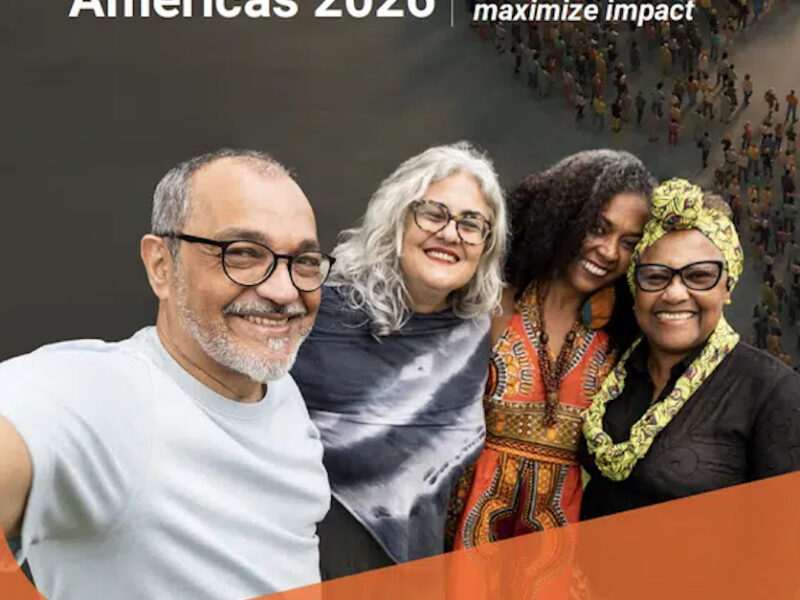
Health in the Americas 2026, a new report from the Pan American Health Organization (PAHO), paints a picture of health across the region and identifies opportunities to help people live longer, healthier lives. The Johns Hopkins Center for Communication Programs (CCP) provided collaborative support in the development, writing, editing and design of the report.
The report finds that nearly 40 percent of the region’s disease burden could potentially be averted through approaches that are already known to work, including prevention, timely and continuous care, and stronger health systems. Opportunities to improve health outcomes vary widely across countries in the region and are shaped by broader social, economic and health system conditions.
“The challenge before us is no longer simply one of generating evidence,” PAHO Director Jarbas Barbosa da Silva Jr. writes in the report’s foreword. “What works and why it matters is increasingly understood. Instead, the challenge is … translating evidence into action.”
The report, which was presented at PAHO’s 63rd Directing Council meeting, in Washington, D.C. this month, highlights how a relatively small set of modifiable risk factors, including obesity, high blood sugar, high blood pressure, unhealthy diets and tobacco use, contributes to much of the region’s leading chronic diseases simultaneously.
Shifting health systems from fragmented, hospital-centered care toward integrated, ongoing primary health care with strong referral systems can help address these shared risk factors, reduce the burden of multiple diseases and give people the care they need.
“The Health in the Americas 2026 report brings together a broad and powerful body of evidence that can help decision-makers shape the health agenda for the region,” says Ruwaida Salem, who led the work for CCP. “We worked with PAHO to present the data in accessible ways to make it easier for countries and health systems to understand what the data mean, why they matter and how they can be applied to improve health outcomes across the Americas.”