
After COVID, Audiences Demand Less Panic, More Practical Information from Ebola Coverage
Audiences reject both scary stories about Ebola and stories that dismiss their concerns. CCP’s Alfayo Wamburi talks with the Poynter Institute.
Audiences reject both scary stories about Ebola and stories that dismiss their concerns. CCP’s Alfayo Wamburi talks with the Poynter Institute.

Research from the AEGIS consortium helped shape how spatial repellents could be used, understood and adopted in real-world settings.

A new project led in part by CCP aims to address postpartum depression and obesity by designing support around what mothers say they actually need.

How a structured brainstorming session at the Johns Hopkins Center for Communication Programs became a years-long call to prevent drug deaths the community.

How CCP and its partners are helping frontline workers lead with empathy in life’s most personal health decisions.

“It’s about … welcoming different ways for people to share their experiences and ideas,” says CCP’s August Summers. “Our work is strongest when community members actively shape the messages and tools created for their own communities.”

A study led by CCP found that health providers in the DRC often continue to treat fevers as malaria even when the rapid test is negative.

“This work is a reminder that innovation is not always digital or expensive,” says one CCP staff member in Ethiopia. “Sometimes it is a simple visual that catches your eye at the right moment.”
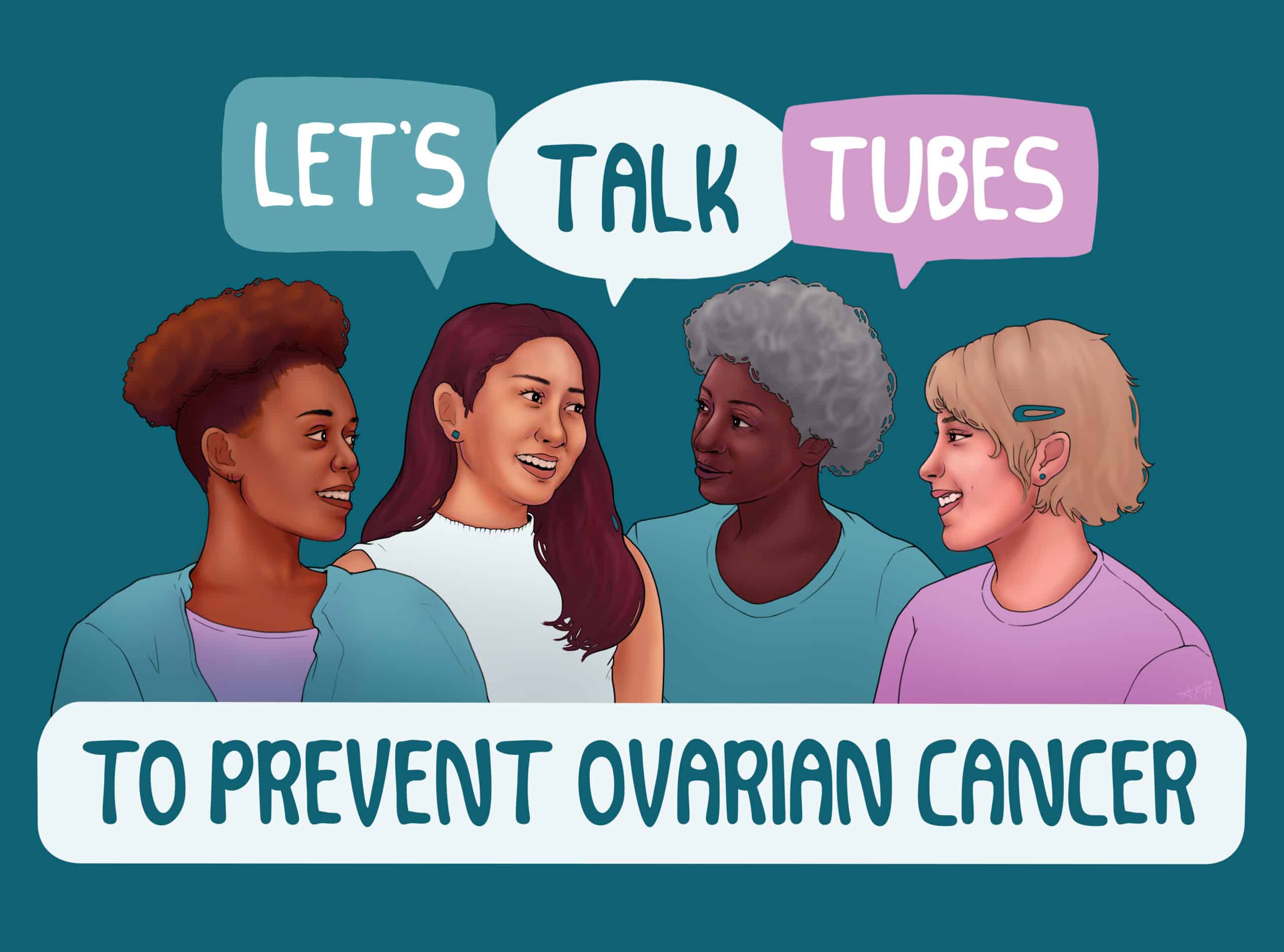
By listening to women, providers and others, CCP created “Let’s Talk Tubes,” a conversation starting campaign about managing cancer risk.

In partnership with the Mastercard Foundation, the Johns Hopkins Center for Communication Programs is giving young Ethiopians a pathway to fulfilling work.
Receive the latest news and updates, tools, events and job postings in your inbox every month