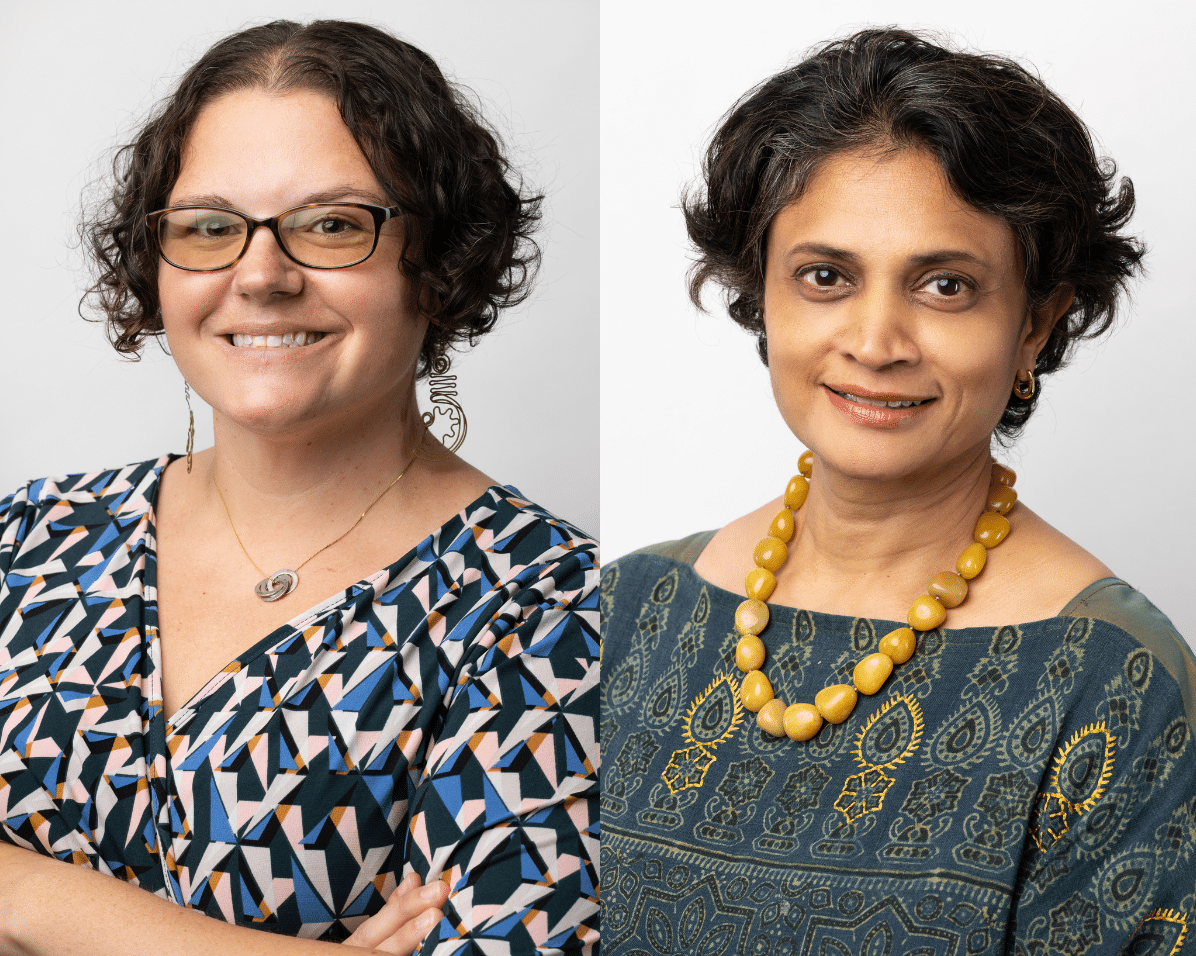
CCP Experts Named to World Health Organization Panels
Social and behavior change expert Uttara Bharath Kumar and researcher Danielle Naugle have been chosen for the prestigious advisory groups.

Social and behavior change expert Uttara Bharath Kumar and researcher Danielle Naugle have been chosen for the prestigious advisory groups.
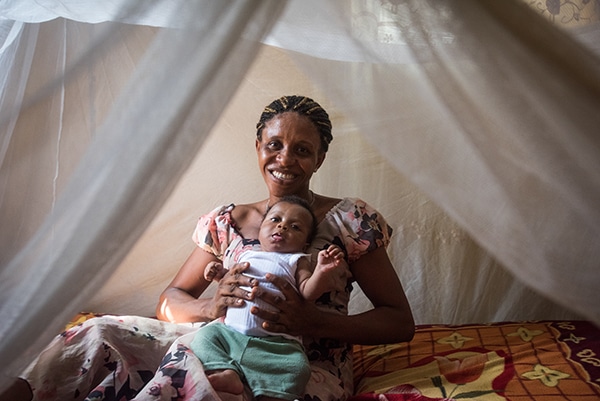
Not wanting to see important data on malaria prevention behaviors lost, CCP has pledged to keep the ITNuse.org website going.
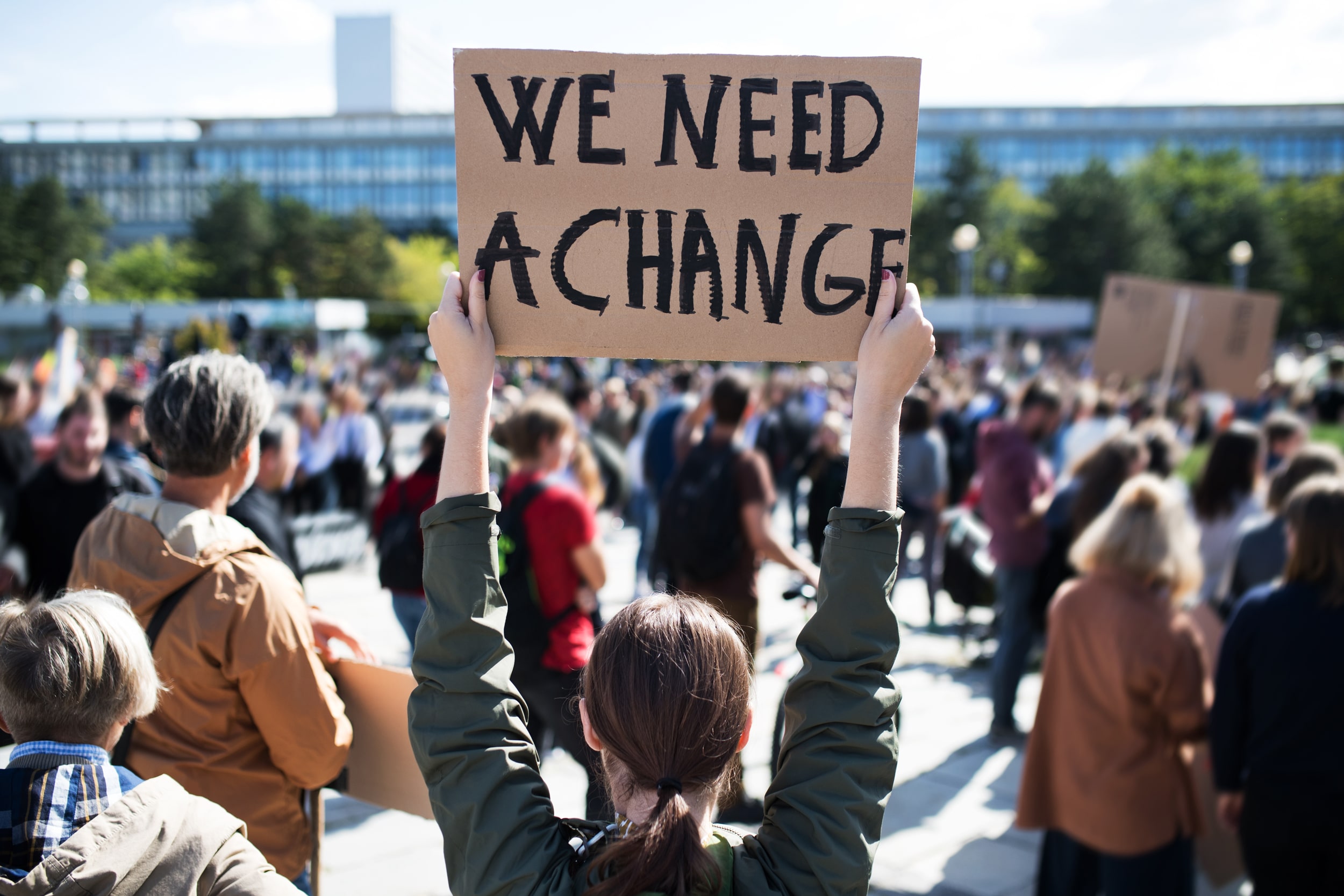
In a new book chapter, CCP’s Suruchi Sood writes that climate change needs to be repositioned from a future catastrophe to an urgent one. Entertainment-education can help.
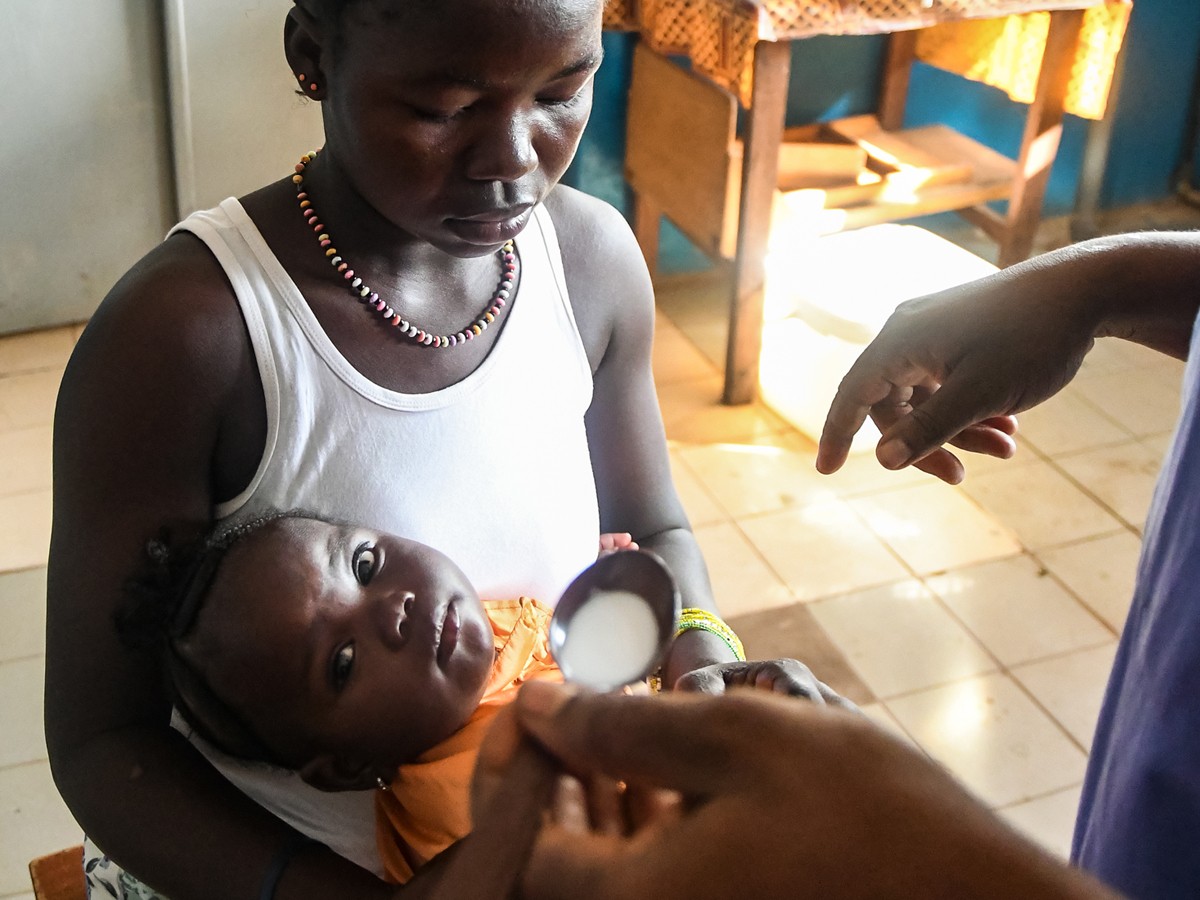
CCP researchers are investigating whether herbalists and others can work with the health system to help people get treatment for fever and prevent more serious malaria complications.
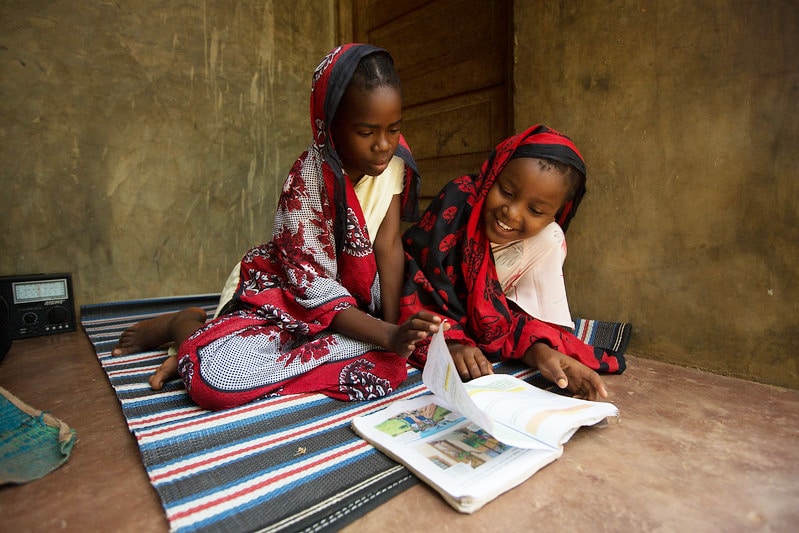
New CCP research suggests that broader, more systematic tools are needed to understand factors that influence behavior in low malaria settings.
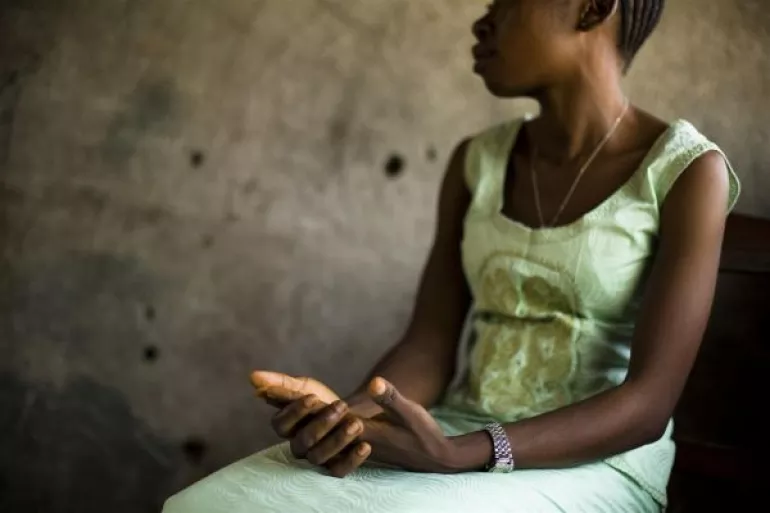
New CCP research is meant to better understand what is behind the harmful practices of child marriage and female genital mutilation (FGM) in Uganda.
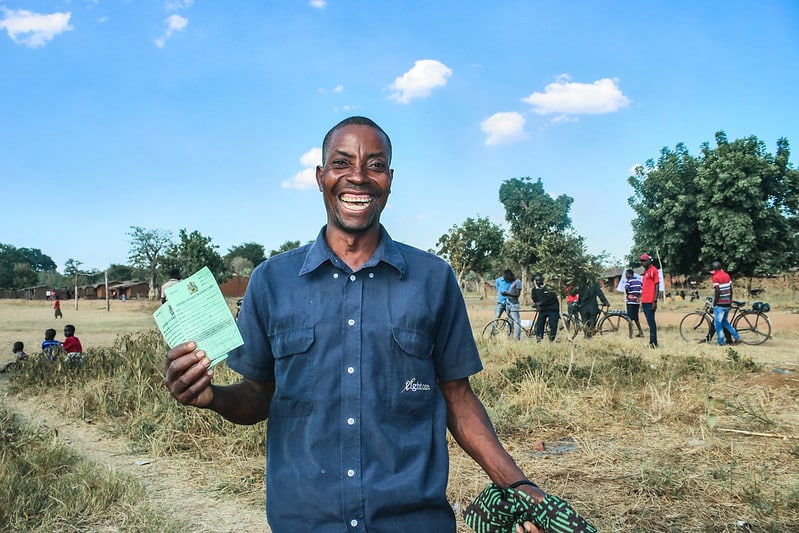
New CCP research suggests that treating the COVID-19 vaccine differently than other routine vaccines may have contributed to vaccine doubts and low uptake rates.

The It’s OK to Delay campaign, informed by data from the Demographic and Health Surveys Program, has reached more than 19 million people since its launch in 2021.
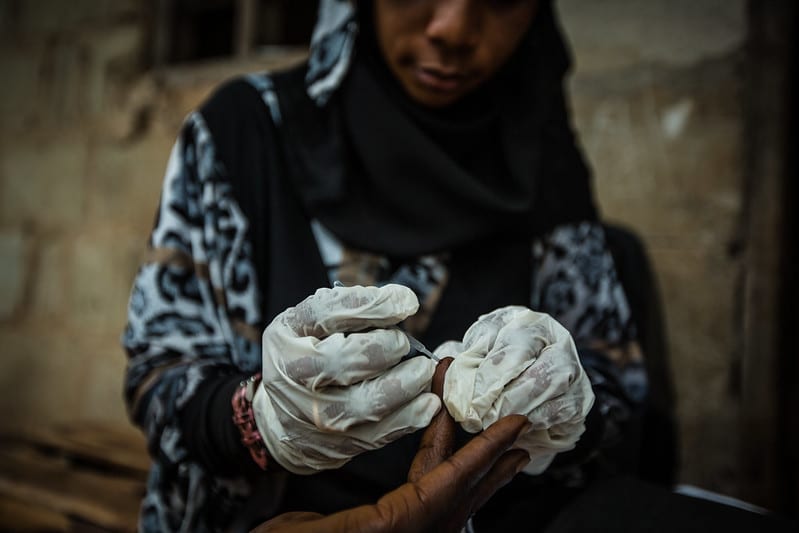
“There’s much less trust in the negative rapid diagnostic test result than there is in the positive one,” says CCP researcher Kathryn Sugg.
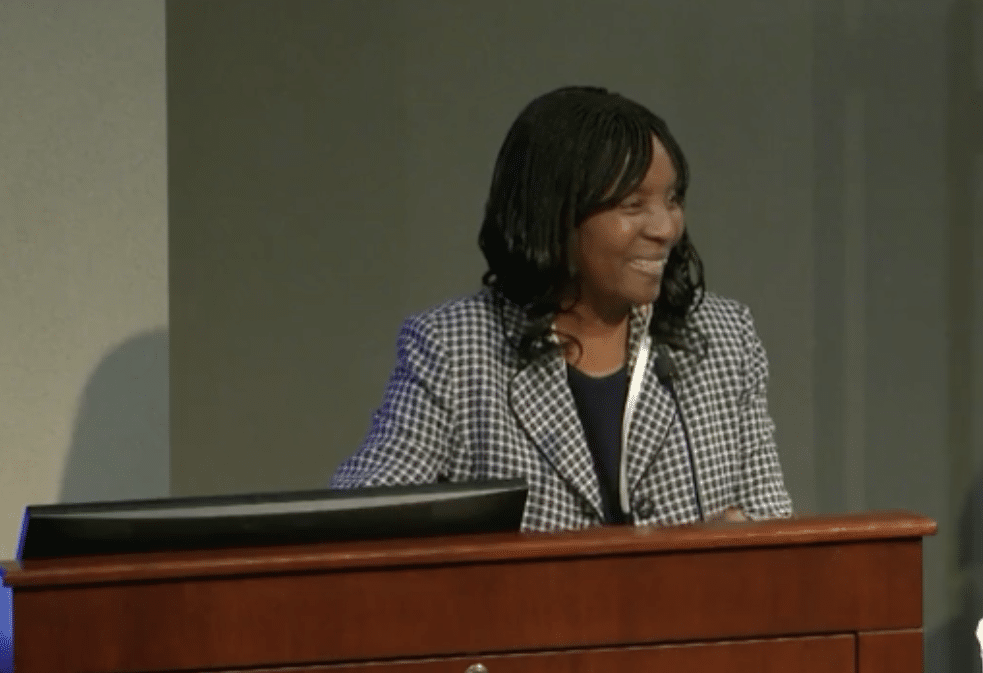
Throughout her career, Babalola has studied everything from sexual attitudes and behaviors among African youth to the role of social norms in HIV.