The young woman from rural Chibombo, in central Zambia, knew the nearby health center offered the services she needed.
The challenge was feeling comfortable enough to walk through the door.
Like many adolescents in Zambia, she worried that going to the clinic would tell people something she was not ready to share. A visit for family planning could mean running into adults from her community and facing questions, assumptions or judgment.
“Mostly adults are at the clinic seeking family planning or other services, so it is a challenge,” she explained.
Even entering the building could feel like an announcement: “Especially this building, when they see you enter here, they know that you are going to get family planning services on a particular day.”
Through the WISH 2 project, the Johns Hopkins Center for Communication Programs and partners including Planned Parenthood Association of Zambia and Ipas worked closely with the Ministry of Health at their facilities to address a barrier that is easy to miss: services can exist, but people may still not feel comfortable using them.
The solution was not a new clinic. It was a different way of opening the door. One day a month, just for young people.
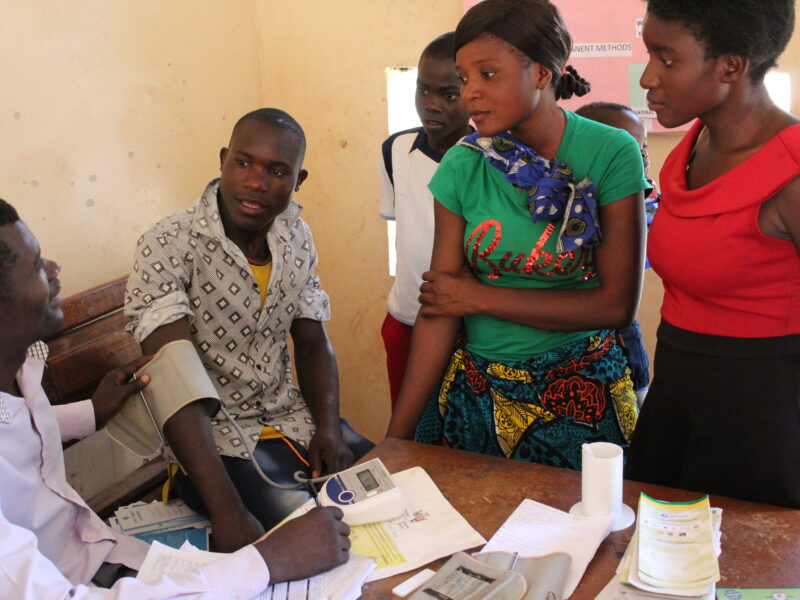
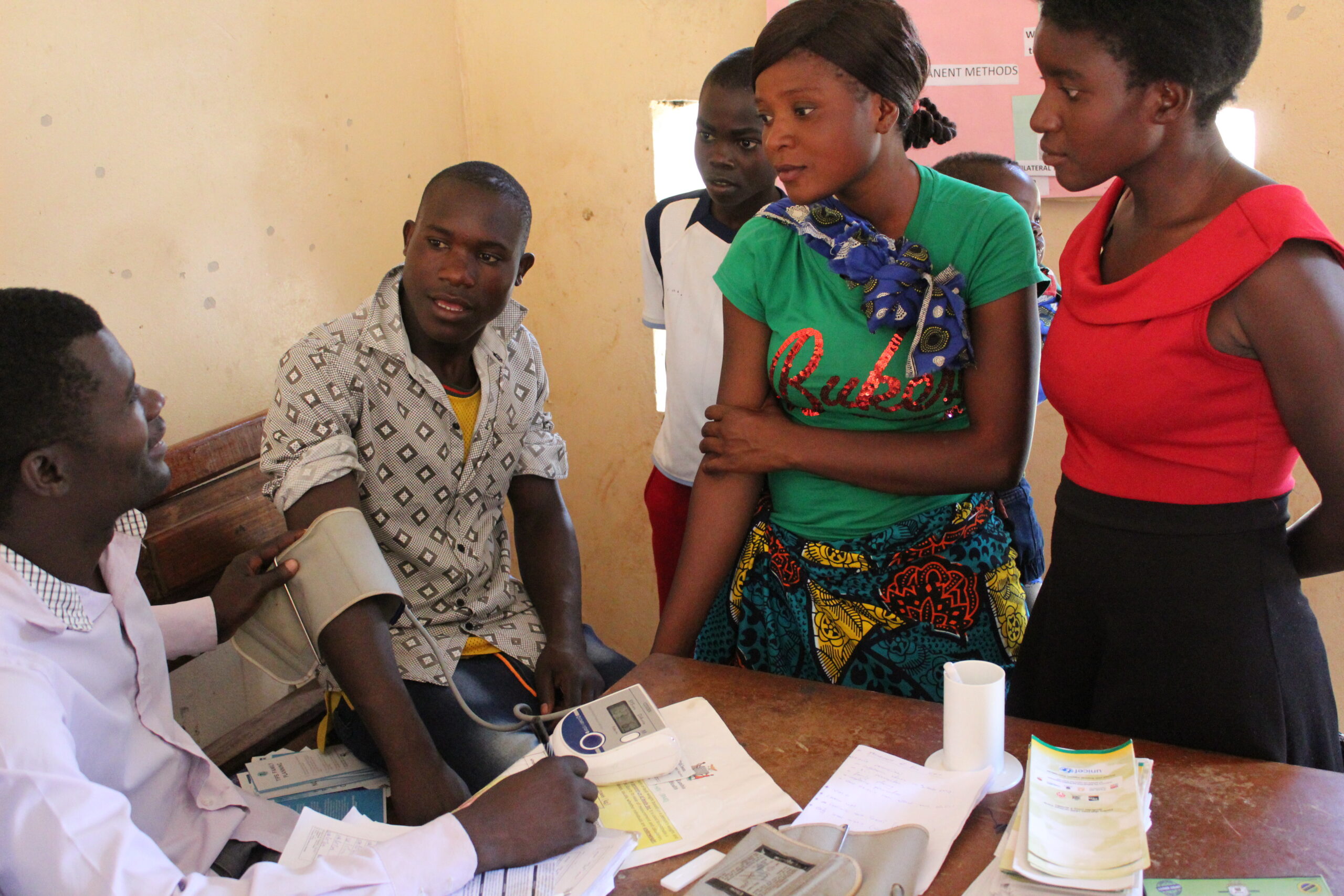
The project, funded by the UK’s Foreign, Commonwealth & Development Office, supported the adaptation and implementation of Adolescent Wellness Days, dedicated times for young people to access sexual and reproductive health and other services in spaces designed specifically for them.
The approach, which CCP first used Luapula and Copperbelt provinces during its former Breakthrough ACTION work, is built on using existing health facilities, providers and community networks to address privacy and confidentiality needs by dedicating time at the clinic for youth, mostly on weekends when they’re less likely to run into an auntie or a neighbor.
Service offerings include contraceptive counseling, HIV prevention and testing, mental health and psycho-social wellbeing, menstrual health and hygiene management, sexual and gender-based violence prevention and response, nutrition, physical activity, substance-use prevention and healthy relationship education. Given the breadth of services offered, WISH 2 hopes to make parents more comfortable encouraging their children to participate.
In collaboration with the Ministry of Health, these interventions are being incorporated into existing health structures, with training and advocacy underway to fully integrate the work into routine service delivery for adolescents.
Early pregnancy is a public health issue In Zambia, where surveys show that three in 10 adolescent girls aged 15–19 have begun having children. Meanwhile, a 2025 United Nations report found that nearly four in 10 new HIV infections in Zambia occurred among people aged 15–24. Adolescent girls and young women were three times more likely to acquire HIV than their male peers.
“When we think about access to health services, we often start with a simple question: Are services available? But availability is only one part of the equation,” says CCP’s Malumbo Machimu, a social and behavior change advisor in Zambia. “Young people also need to feel safe, respected, and assured that they can seek care without judgment. Adolescent Wellness Days were designed around that reality by changing not just what services were offered, but how adolescents experienced those services.”
For the young woman in Chibombo, the difference was not only the services she received. It was feeling that the clinic was a place where she belonged.
Peer educators helped make that possible. By talking with young people in a way that felt familiar and approachable, they helped make conversations about sexual and reproductive health less intimidating. And less stigmatizing, something WISH 2 is prioritizing through its social and behavior change work.
For a 16-year-old boy in the capital, Lusaka, having someone his own age to talk with changed the experience.
On a normal day, he said, he would have stayed away from the clinic. The Wellness Day gave him a reason to go. There, he could ask questions, talk with a peer educator and access services, including HIV testing and condoms.
“They don’t just give you the services you desire,” he said. “They’ll counsel you and teach you.”
Health facilities changed more than just the schedule of services. On dedicated days, they strengthened outreach, and held activities such as sports, music, drama and poetry to make health services feel more approachable for young people.
Over a six-month period, 146 Adolescent Wellness Days in 75 facilities reached more than 16,500 adolescents, including nearly 10,000 girls and more than 6,500 boys.
At some facilities, those changes were translated to increased service use. In suburban Chawama, youth family planning clients increased by 20 percent during the Wellness Day period, rising from 117 to 140 adolescents. In neighboring Fumbelo, youth family planning clients increased from 49 to 299.
The young woman from Chibombo received family planning services, chose to test for HIV, and left feeling that the experience was worth sharing with others.
For the next Wellness Day, she said she will return and bring her friends.
She knows exactly how she would describe it: “There will be different health services like giving family planning and testing for syphilis and HIV … and then they’ll give health talks on top of that.
“There will only be young people and no adults. That day is only for youth.”