

How Global Meatless Monday Movement Becomes Local
CCP and others are working in three countries to encourage people to rethink how often meat appears on their plates and consider alternatives.
CCP and others are working in three countries to encourage people to rethink how often meat appears on their plates and consider alternatives.

Working with local partners Indonesia, Ghana and South Africa, CCP is encouraging people to go meatless on Mondays.
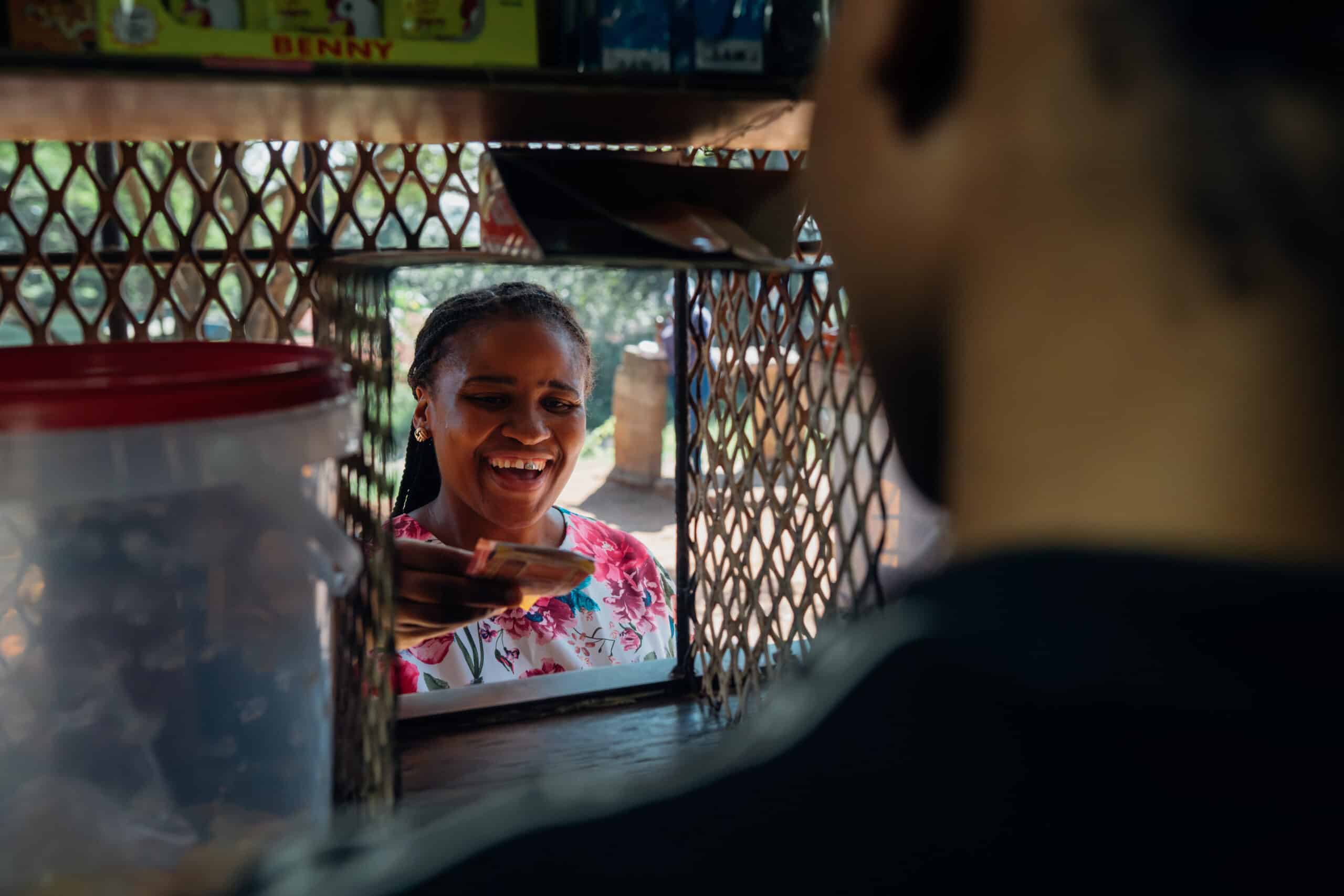
At World Water Week, CCP’s ‘Kuor Kumoji to present research on bringing businesses and communities together in the name of good sanitation.
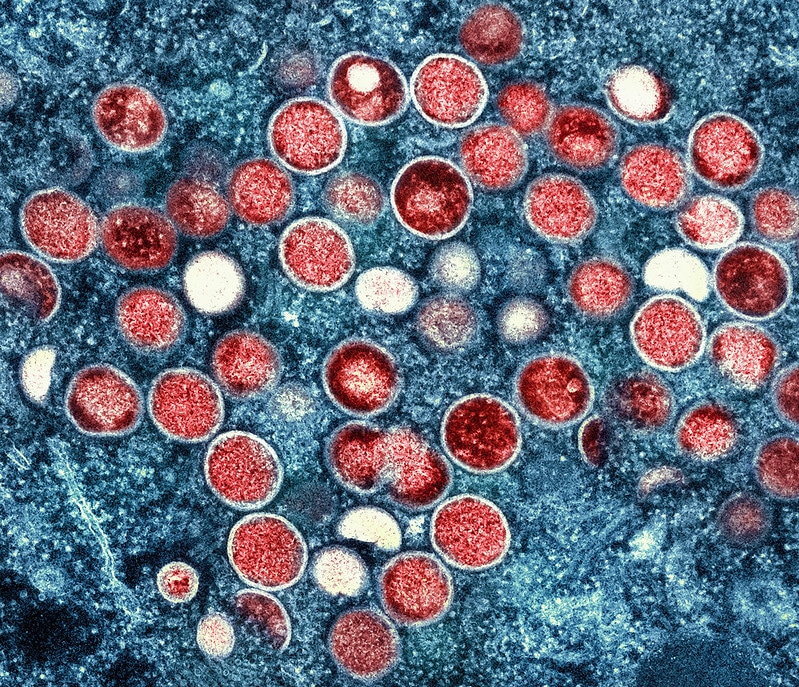
This marks the first time CCP has received special funds to address monkeypox, a public health emergency of international concern.

The additional money will be for work in 12 countries in Africa and Asia to promote the use of COVID-19 vaccines to help end the pandemic.
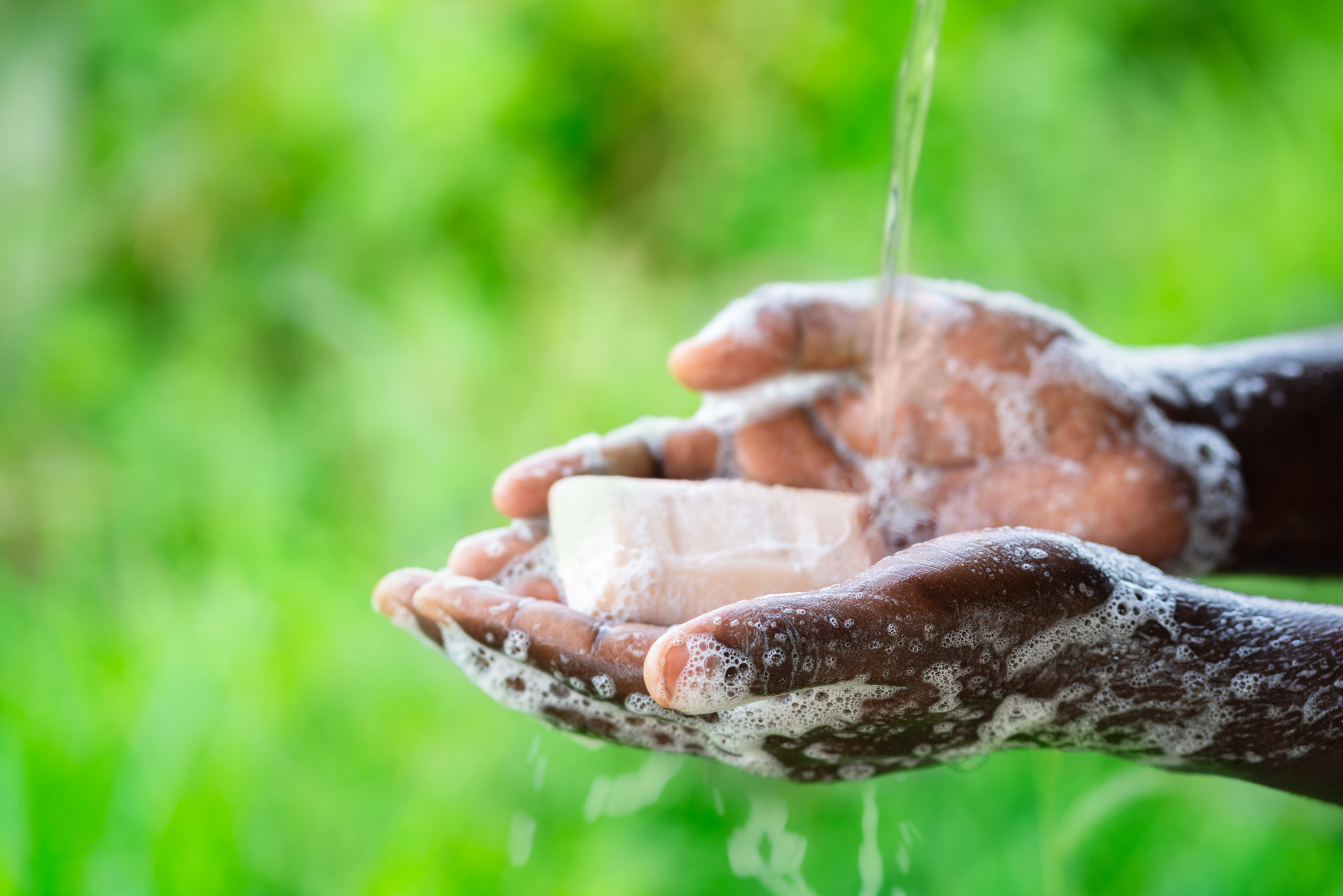
Instead of rising during the pandemic to slow the spread of COVID-19, new CCP research finds that handwashing rates actually fell in parts of sub-Saharan Africa.
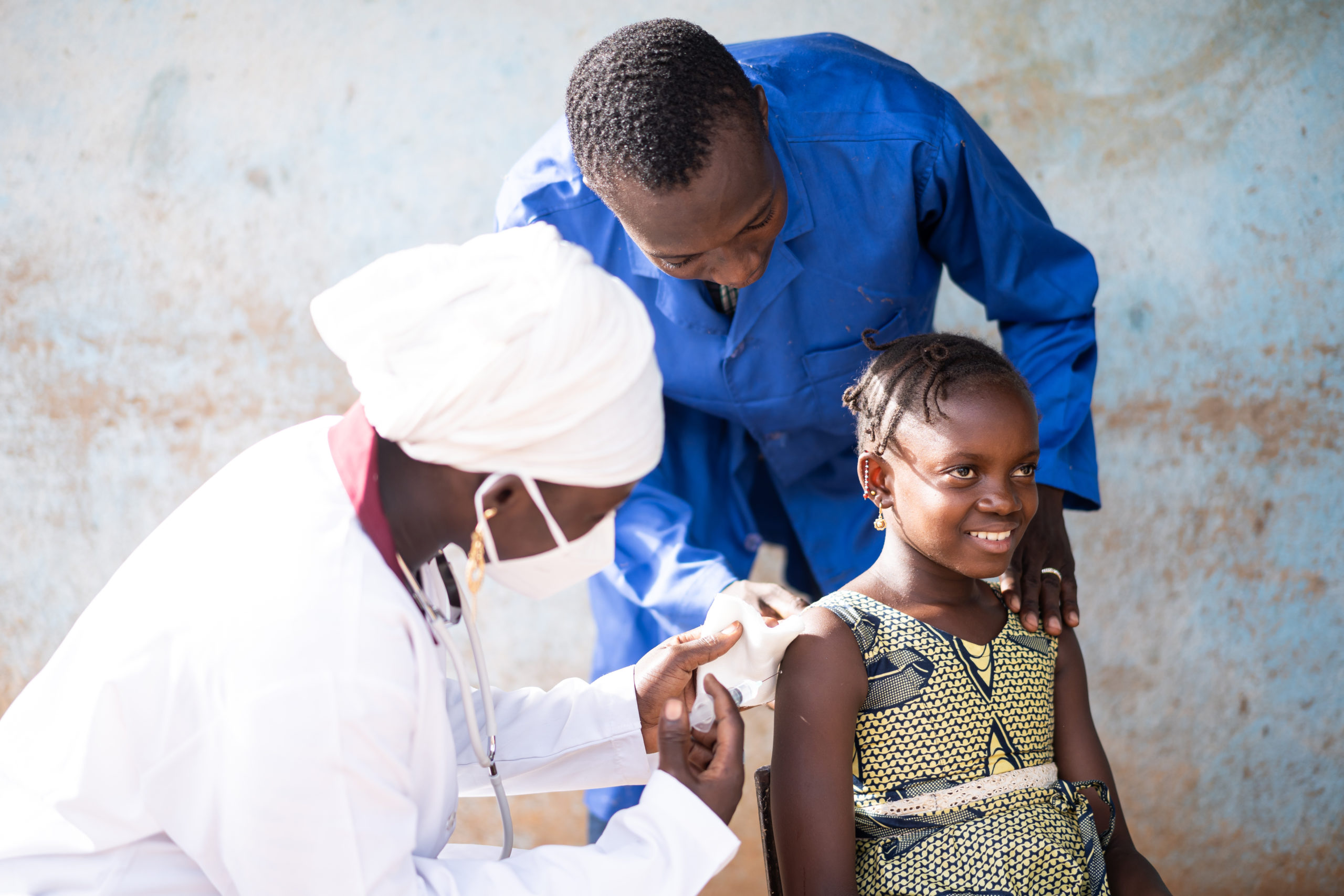
CCP will use the additional funds to promote COVID-19 vaccine acceptance and prepare for future pandemics in 18 countries in Africa, Asia and Latin America.

In rural Ghana, places where there aren’t even radio signals, CCP relies on people whose homes are outfitted with loudspeakers and microphones to share COVID-19 messages with the community.
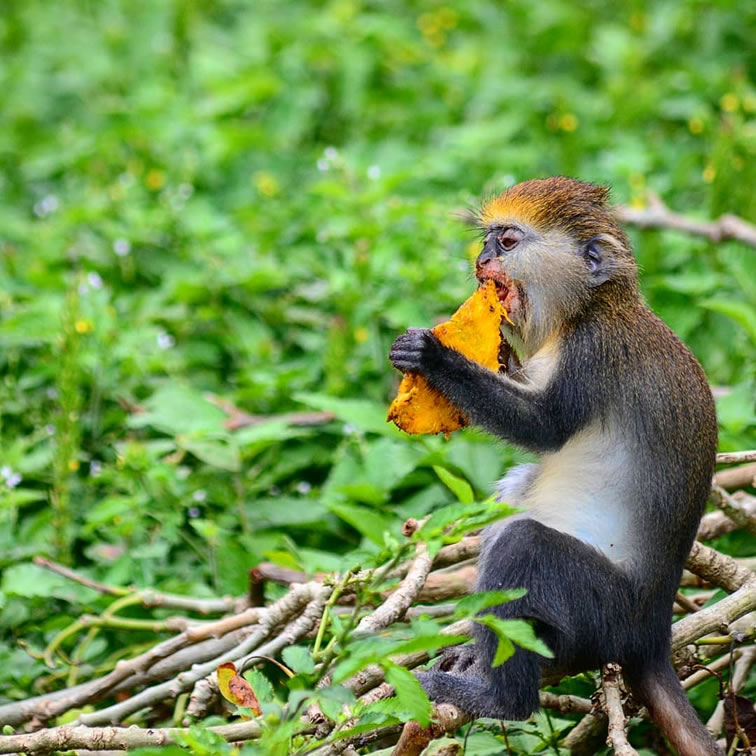
Health officials are concerned that monkeys in Ghana could infect humans with deadly diseases or viruses that may not even exist yet. These fears take on new meaning in COVID-19 era.
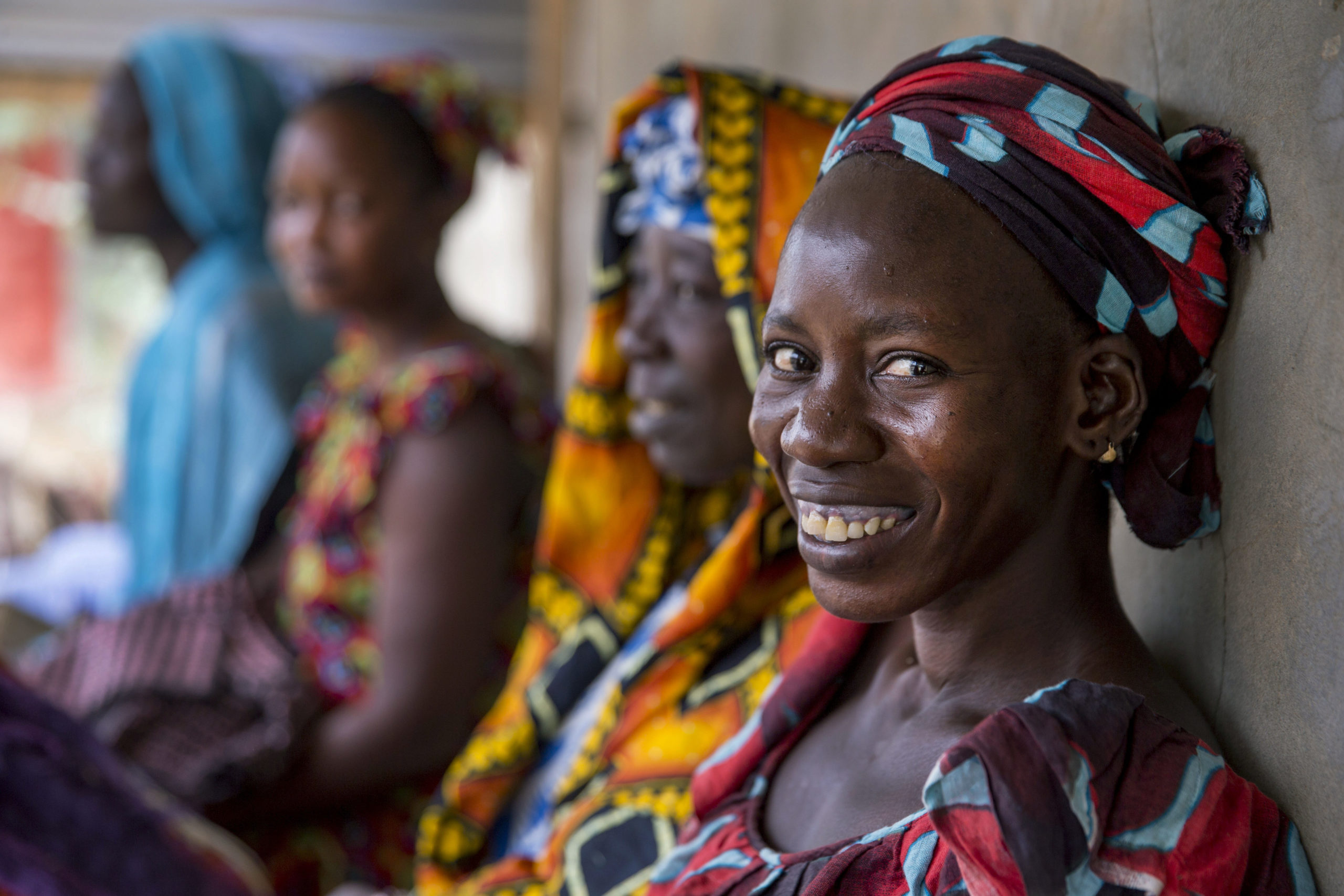
A new CCP study finds that eliminating malaria in Ghana would cost $961 million over the next decade, but would prevent 85.5 million cases, save 4,500 lives and avert $2.2 billion in health care expenditures. Finding the money to pay for that will be an enormous challenge.
Receive the latest news and updates, tools, events and job postings in your inbox every month