How Shops Fill Malaria Prevention Gaps in Humanitarian Settings
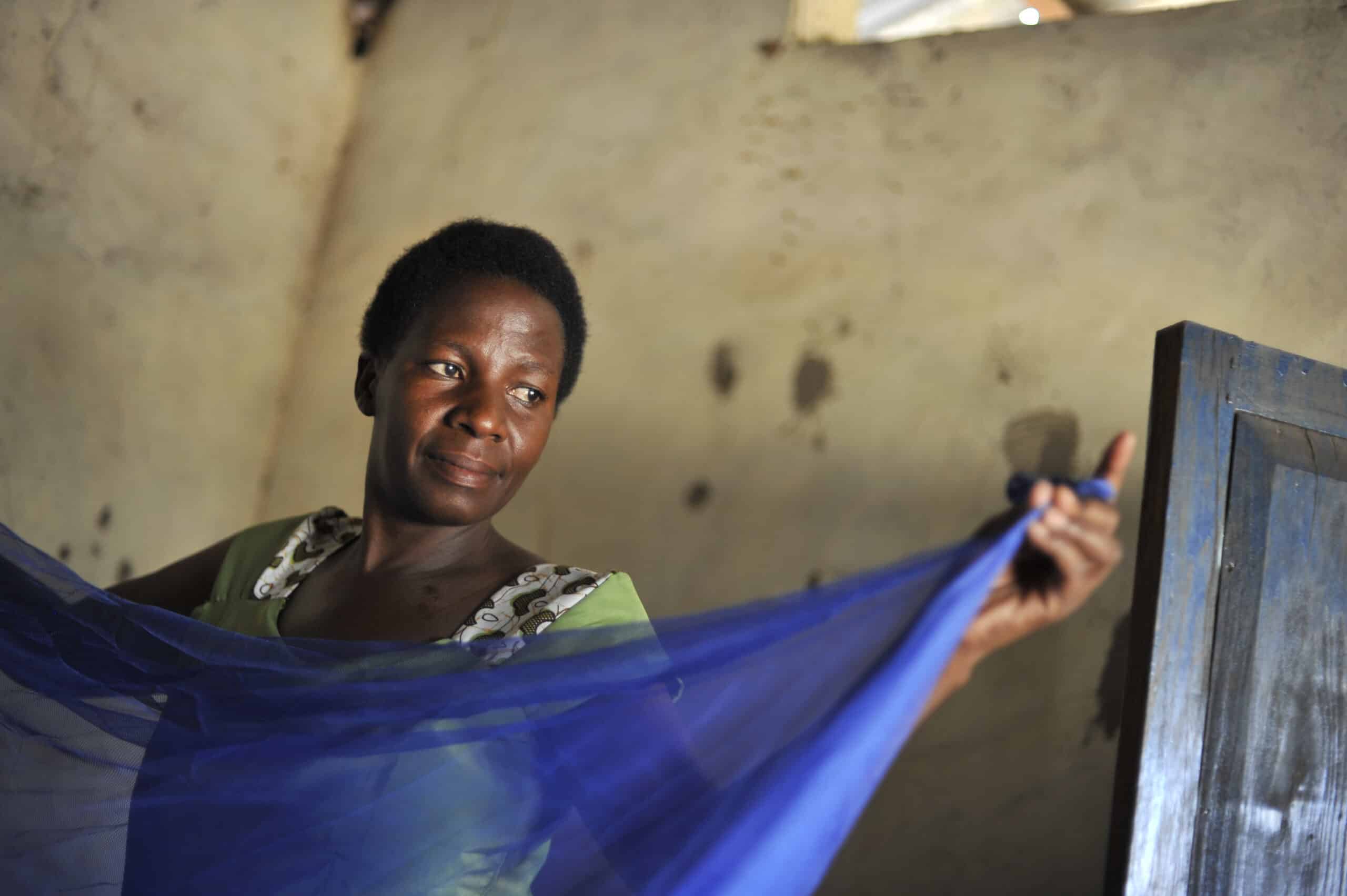
New research from northern Uganda highlights how communities address malaria prevention needs, even amid the challenges of displacement.

New research from northern Uganda highlights how communities address malaria prevention needs, even amid the challenges of displacement.
A new CCP-led study sheds light on why parents sometimes delay seeking treatment for children with fevers, a key symptom of malaria.
The rise of an invasive mosquito species is forcing experts to rethink how human behavior and community trust shape disease control.
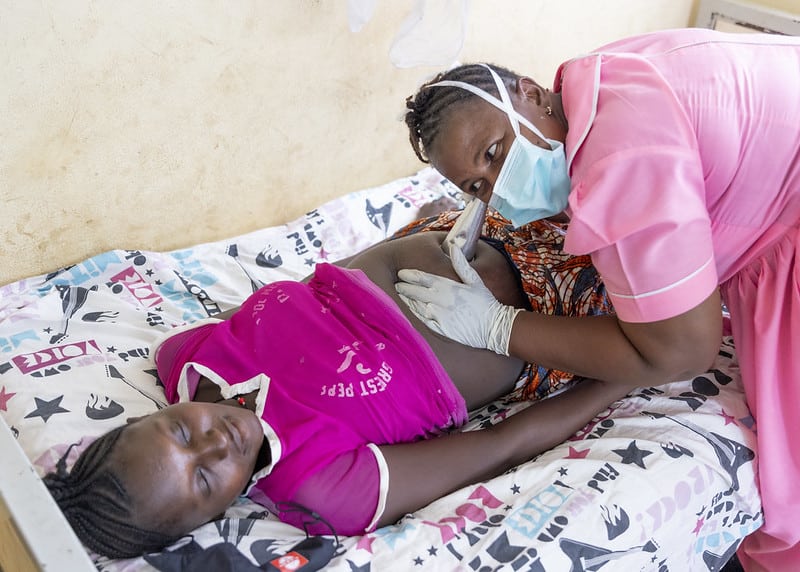
A new CCP-led evaluation of community-based malaria programs in Côte d’Ivoire shows that women’s groups conducting household visits are an effective, low-cost way to change health behaviors during pregnancy.
CCP steered social science research for the five-year project, which is led by the University of Notre Dame, to help build evidence base for repellent recommendation.

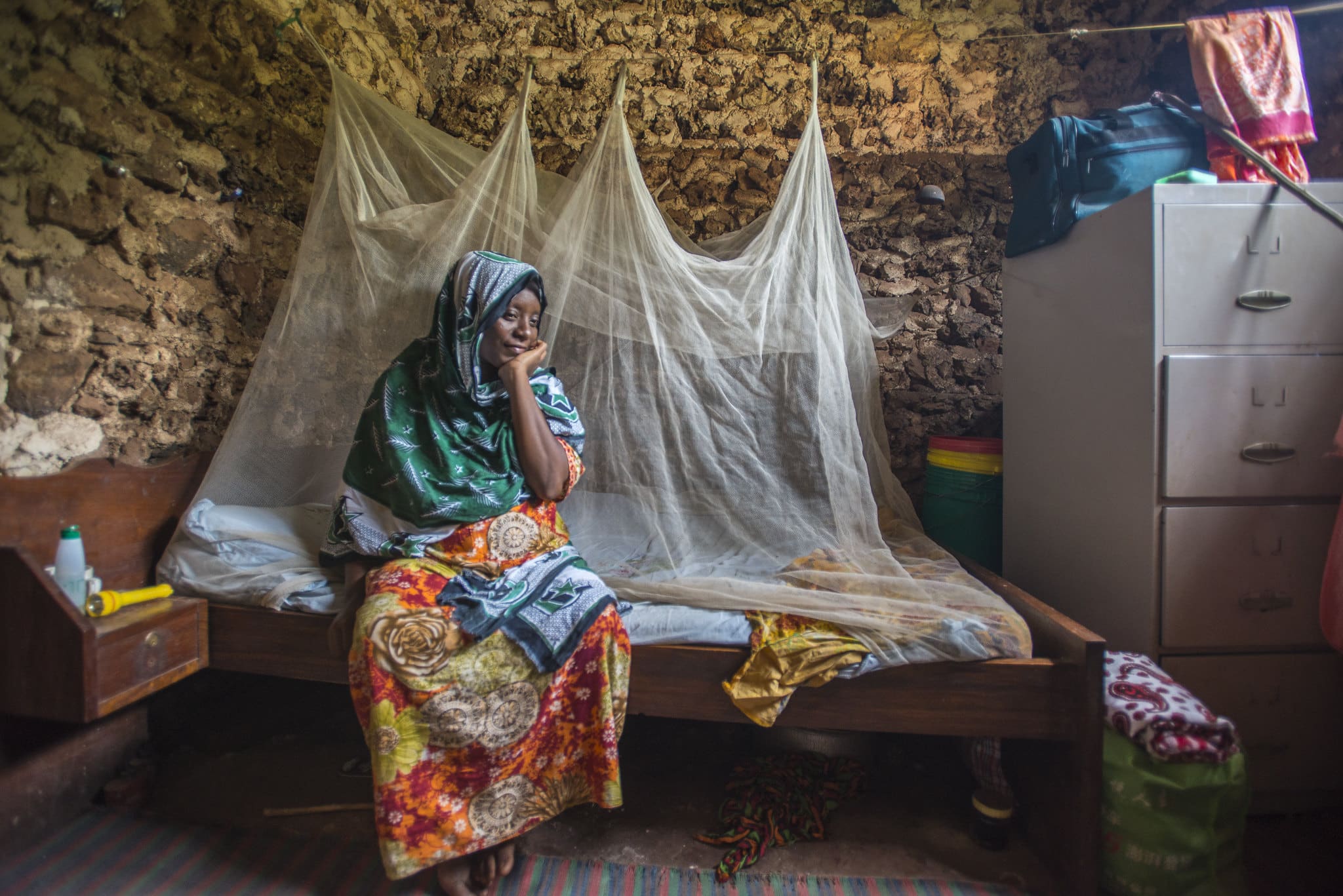
CCP research finds that Tanzanians can only buy untreated nets, which are less effective at malaria prevention than treated ones.
Not wanting to see important data on malaria prevention behaviors lost, CCP has pledged to keep the ITNuse.org website going.

Report chronicles progress being made toward eliminating a variety of infectious diseases from malaria to HIV.
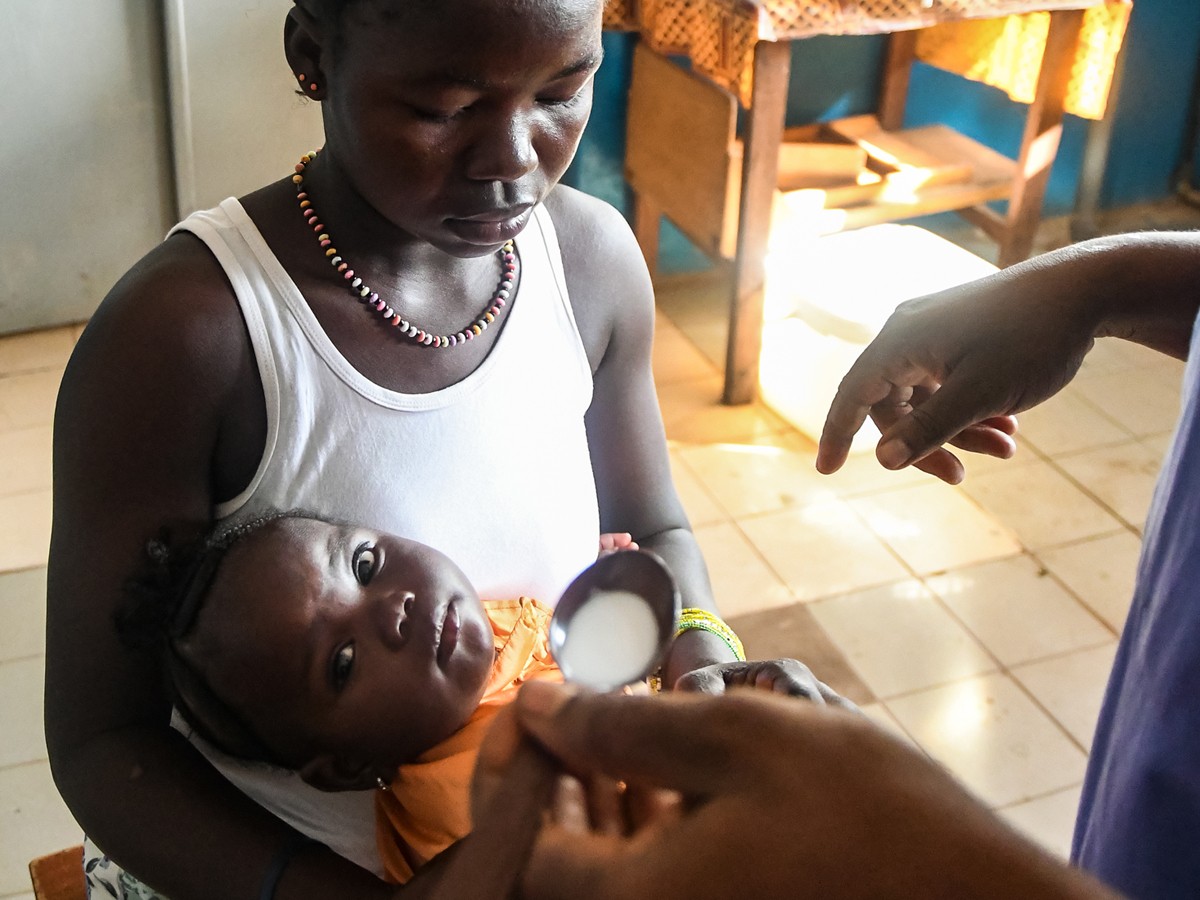

The Breakthrough ACTION project is working with governments and other agencies in several countries to encourage caregivers to bring their young children for the four-dose vaccine.
Maryam Abubakar Haruna lost her first three pregnancies. After a conversation with a community volunteer trained by the CCP-led Breakthrough ACTION-Nigeria project, she attended prenatal care appointments – and gave birth to her first healthy baby.
Receive the latest news and updates, tools, events and job postings in your inbox every month