
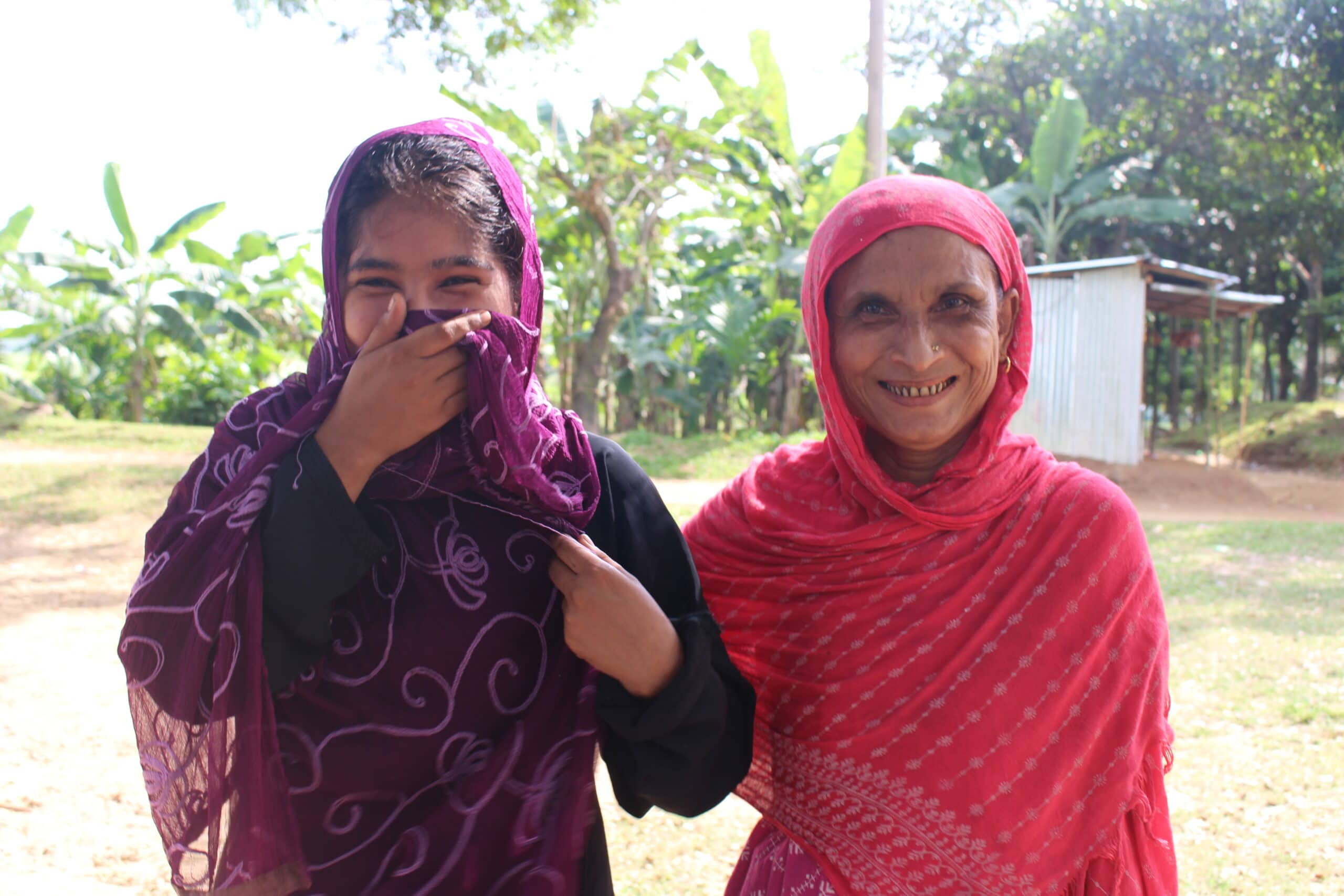
‘I Like What the Health Care Workers are Teaching These Days’
CCP’s Ujjiban project provides counseling to pregnant Bangladeshi women and their family members on reproductive health and family planning.
CCP’s Ujjiban project provides counseling to pregnant Bangladeshi women and their family members on reproductive health and family planning.
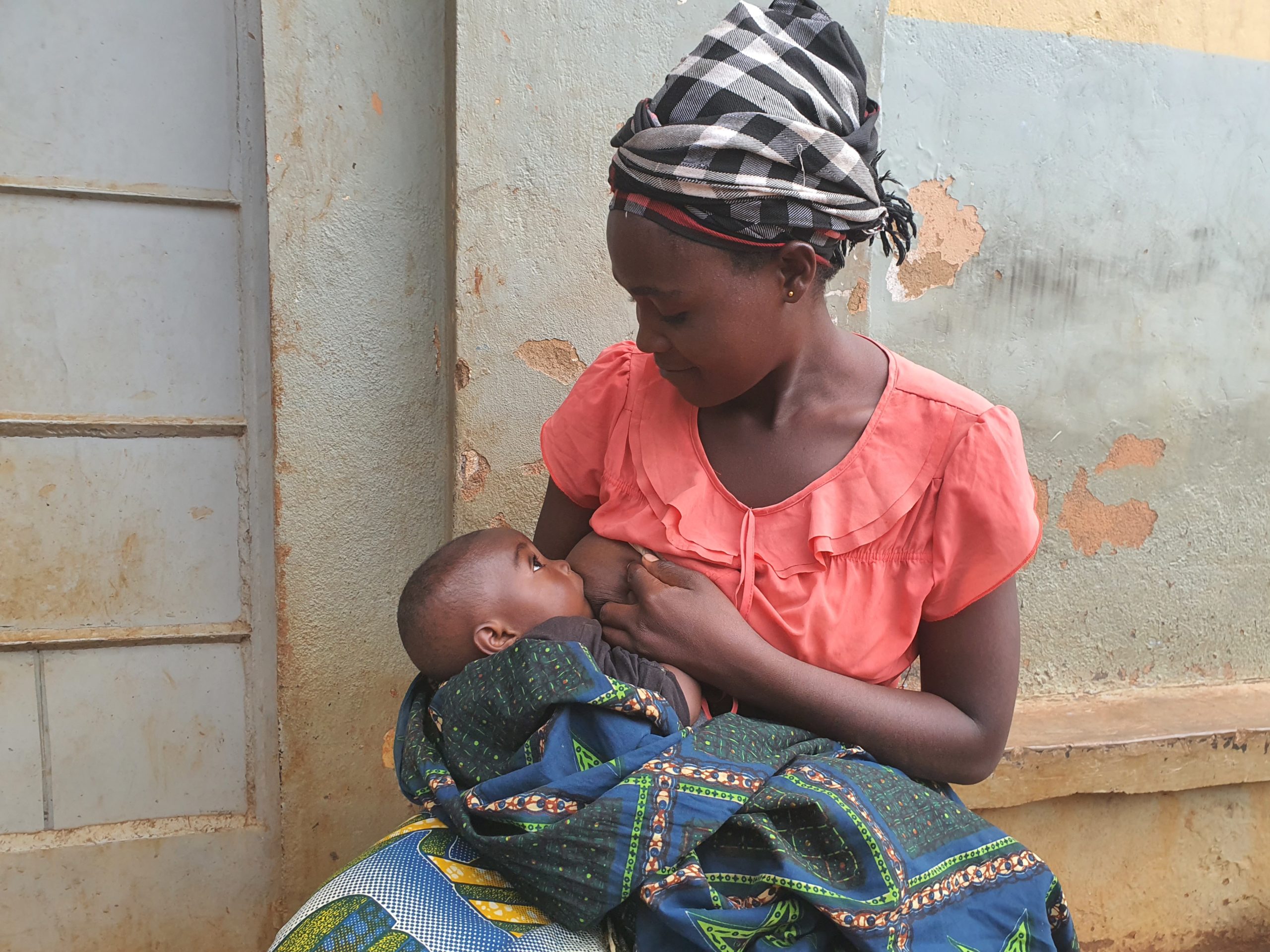
The World Bank has awarded $500,000 to CCP, with the goal of creating programs to reduce malnutrition, stunting and other health issues in the DRC.
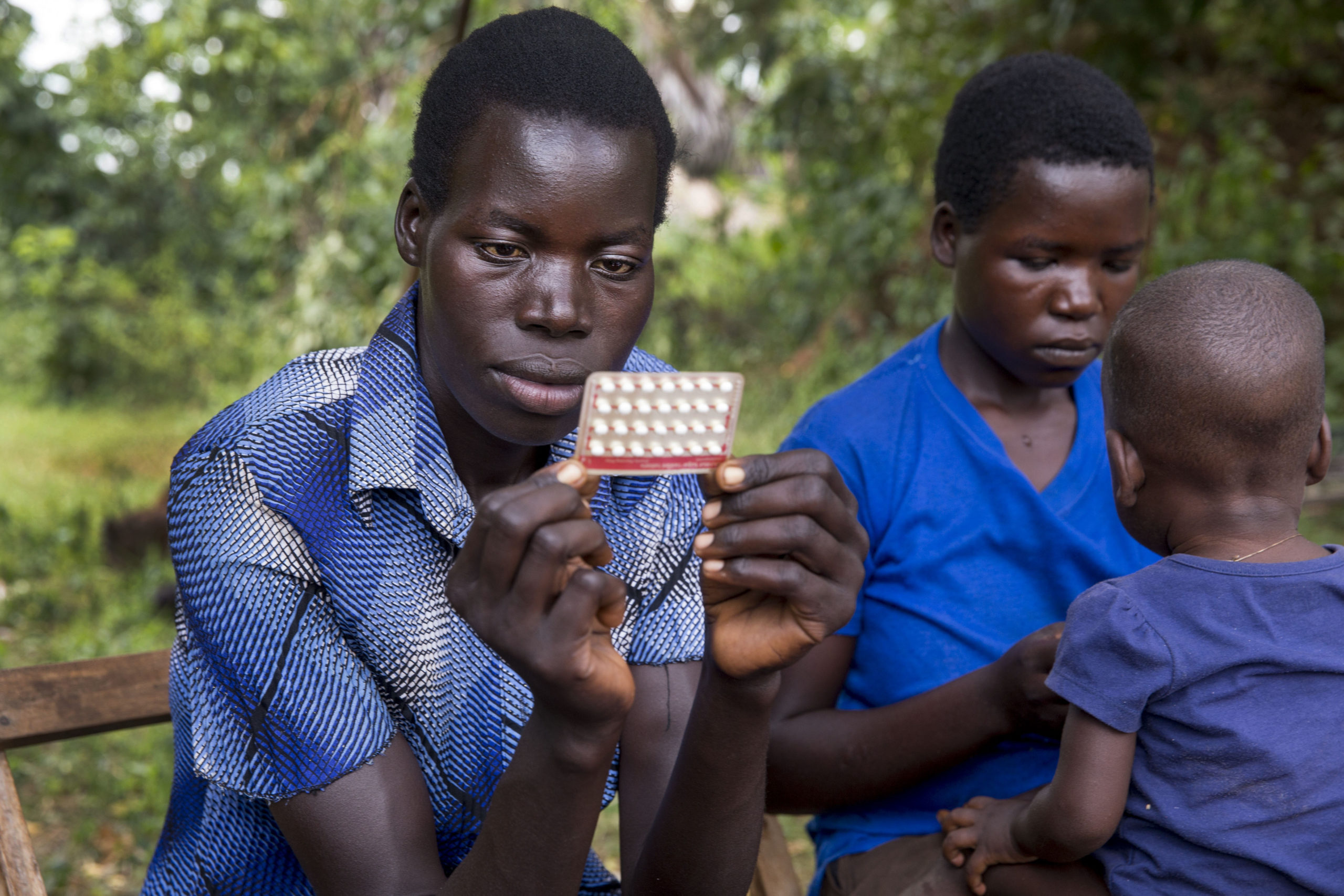
Ugandans between the ages of 18 and 29 say their access to services such as family planning and maternal and child health has been limited by the pandemic, according to a CCP survey.
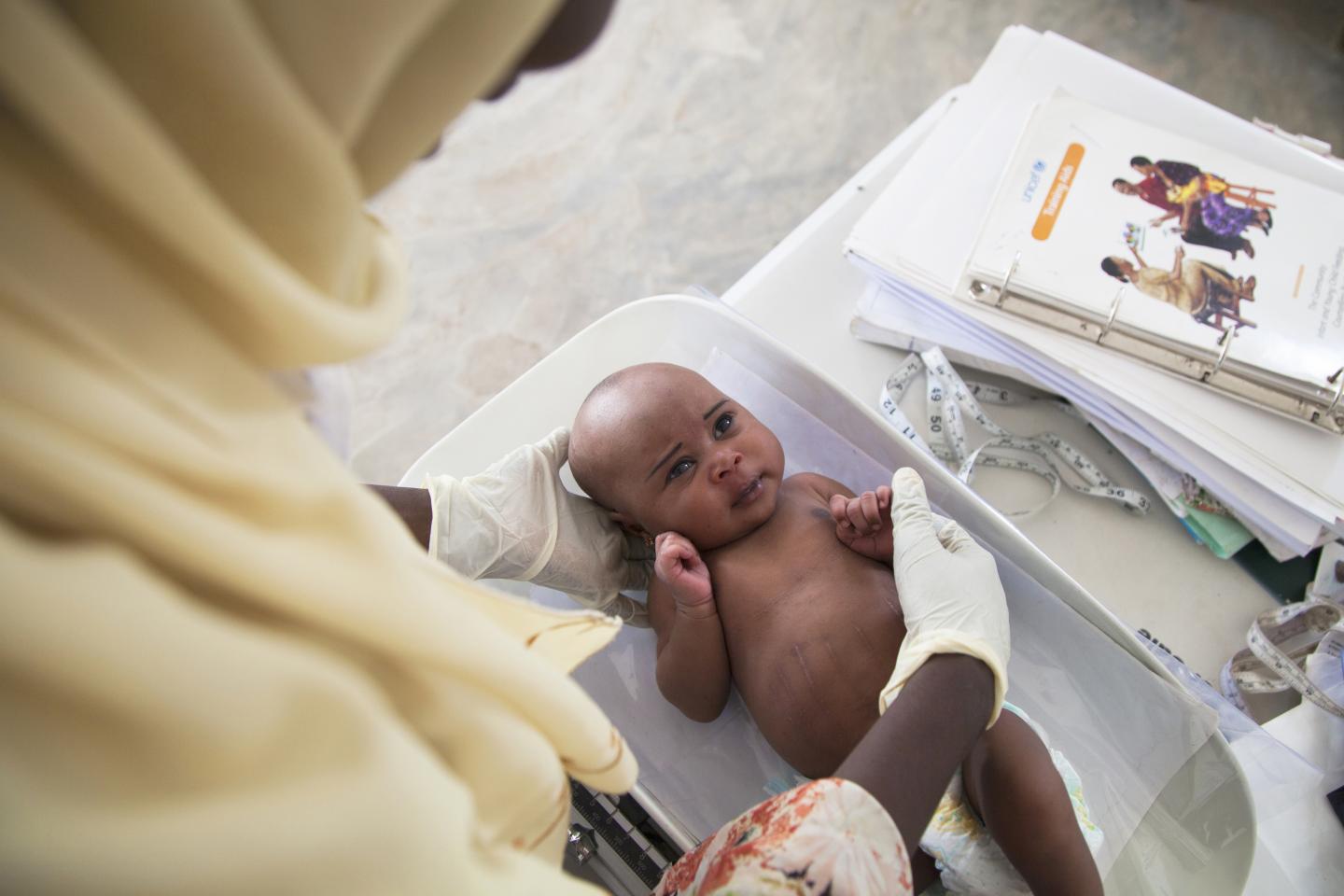
“Before now, women didn’t come for” prenatal care, says Hauwa’u Ango, the treasurer of the Ward Development Committee in Yarbese. “But now they are, and not only in Yarbese but even from [far-flung] villages.”

The infant mortality rate in Baltimore’s Upton/Druid Heights has dropped by 75 percent to 3.8 deaths per 1,000 live births, well below Maryland’s overall rate (5.9 in 2019) and the United States rate (5.6 in 2019).

CCP’s Tina Suliman writes: “The maternal mortality crisis in the United States emphasizes the truth behind this declaration: It is racism, not race, that is killing America’s Black mothers and babies.”
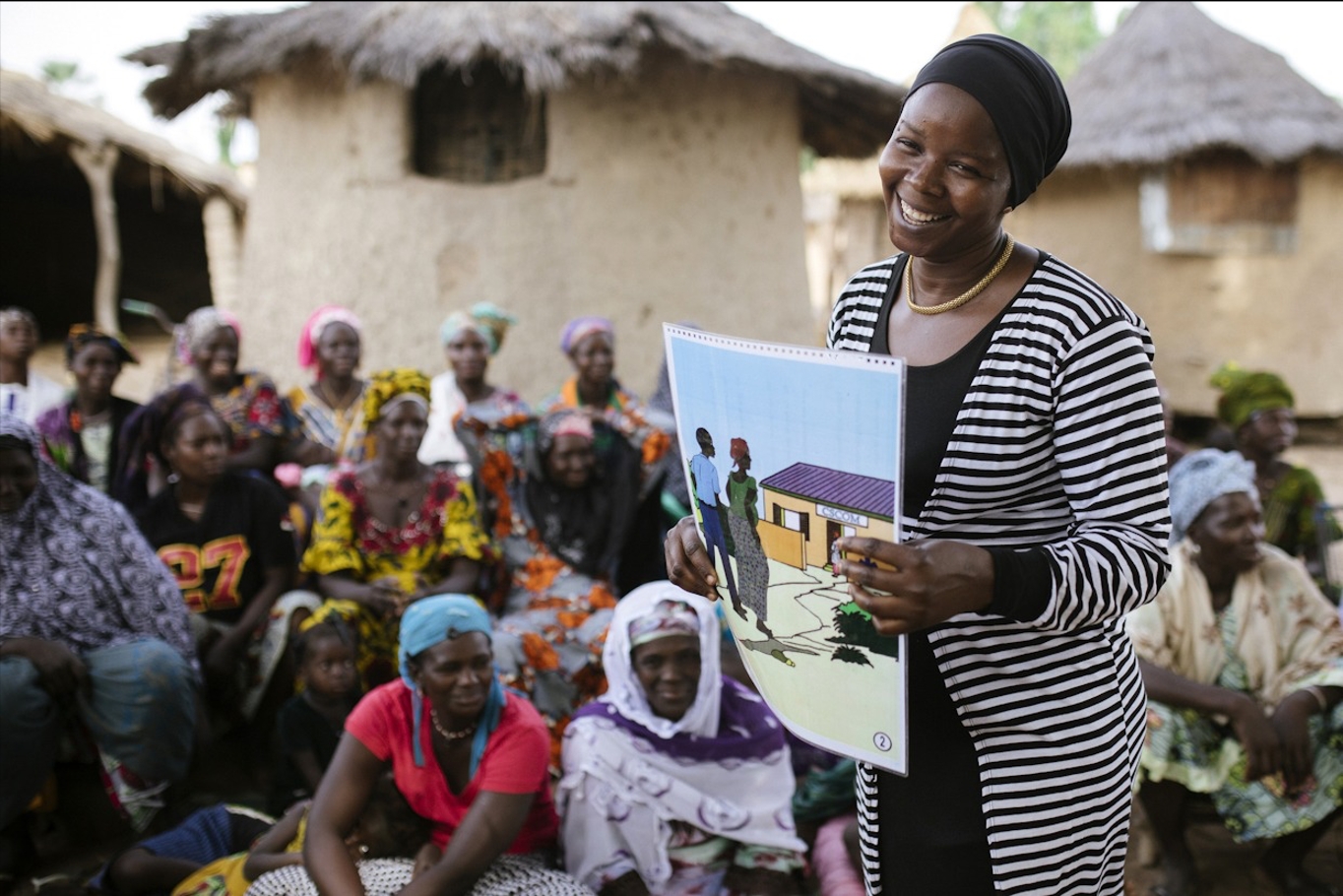
Most studies of pre-term birth – the leading cause of infant mortality around the world – have focused on complications that occur in health facilities in the high-income countries. A unique new study conducted by CCP looks at risk factors that start long before delivery.
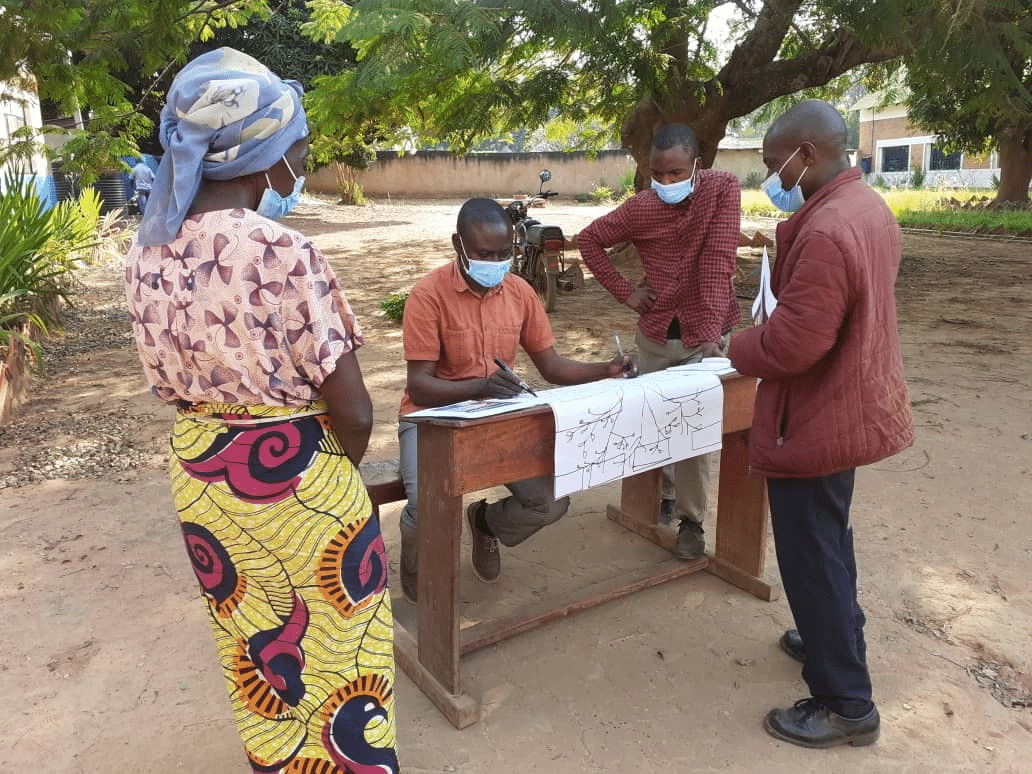
A survey of people living in rural Democratic Republic of Congo (DRC) found that more men appear to be accompanying their pregnant wives to prenatal care appointments since a CCP health campaign launched in 2020.
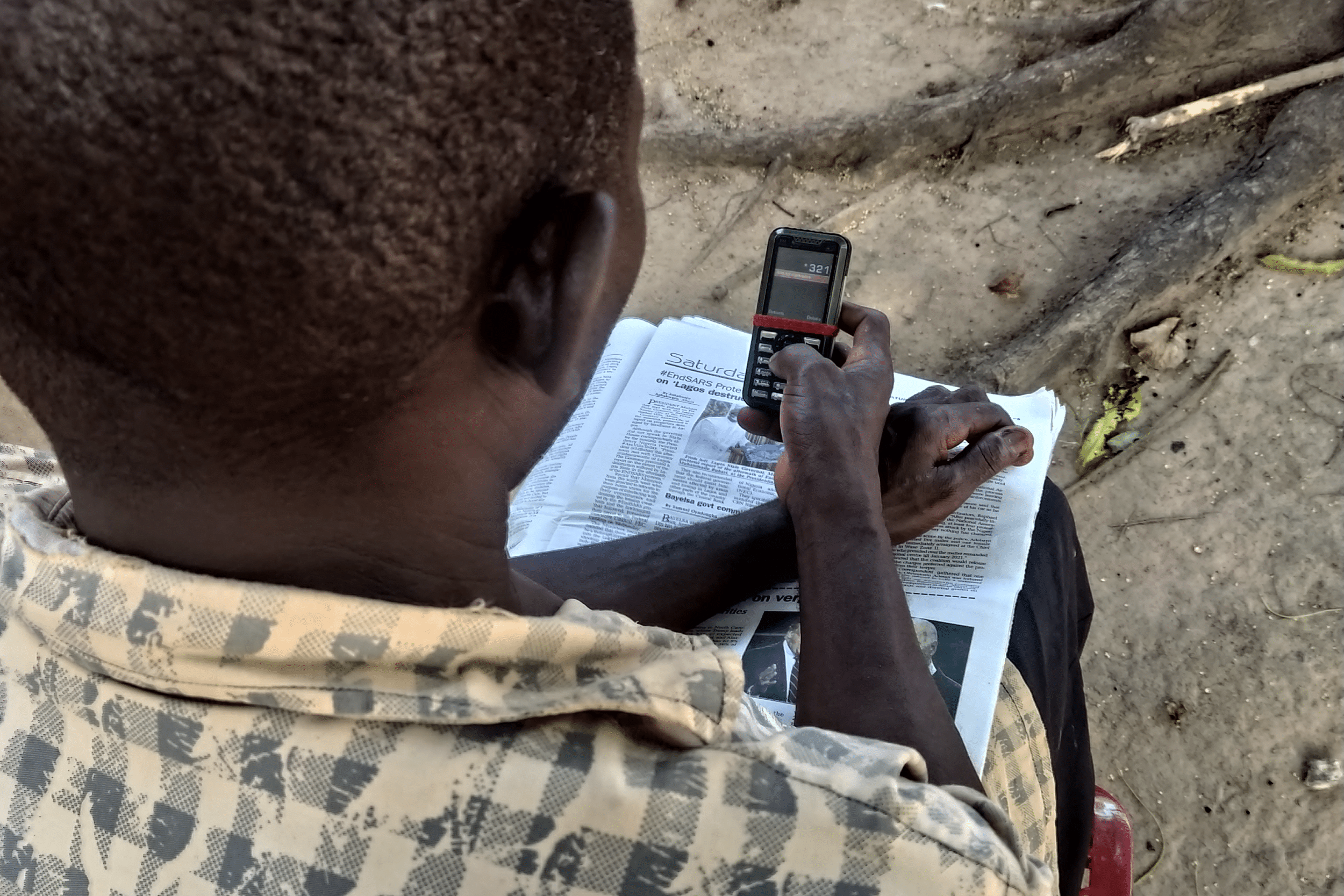
Using basic mobile phones, 60,000 Nigerians have dialed into a game where they can win points for their mastery of important maternal and child health information. This approach has drawn in a large number of men on a topic where it is often hard to engage them.
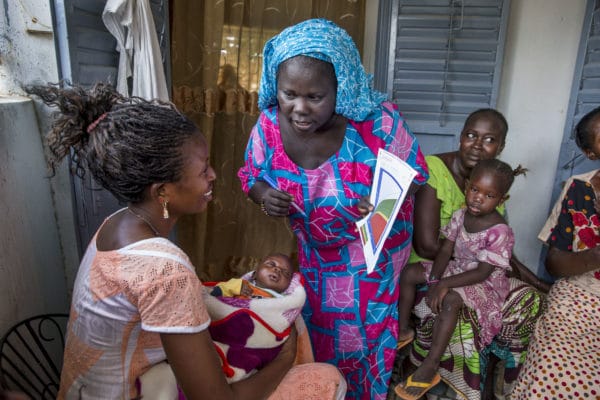
Often, new mothers stop exclusive breastfeeding long before the recommended six months. A CCP project in DRC is trying to help women keep going.
Receive the latest news and updates, tools, events and job postings in your inbox every month