

Malaria Treatment Prescribed Despite Negative Test Results, New Study Finds
A study led by CCP found that health providers in the DRC often continue to treat fevers as malaria even when the rapid test is negative.
A study led by CCP found that health providers in the DRC often continue to treat fevers as malaria even when the rapid test is negative.

New research from northern Uganda highlights how communities address malaria prevention needs, even amid the challenges of displacement.

A new CCP-led study sheds light on why parents sometimes delay seeking treatment for children with fevers, a key symptom of malaria.

CCP research finds that radio exposure, knowledge about contraceptives, and family size are strongest factors influencing use of modern family planning methods.

A new social and behavior change strategy, messages, and other communication tools will guide health workers and households to manage impacts.

In focusing primarily on individuals and their roles to spur behavior change, programs may ignore the need for structural changes, including the underlying social, economic, and political causes of health inequities.

CCP research finds that Tanzanians can only buy untreated nets, which are less effective at malaria prevention than treated ones.
“This guidance helps ensure that social and behavioral research is not an afterthought but a core pillar of outbreak response,” says CCP senior program officer Alex Jackson.
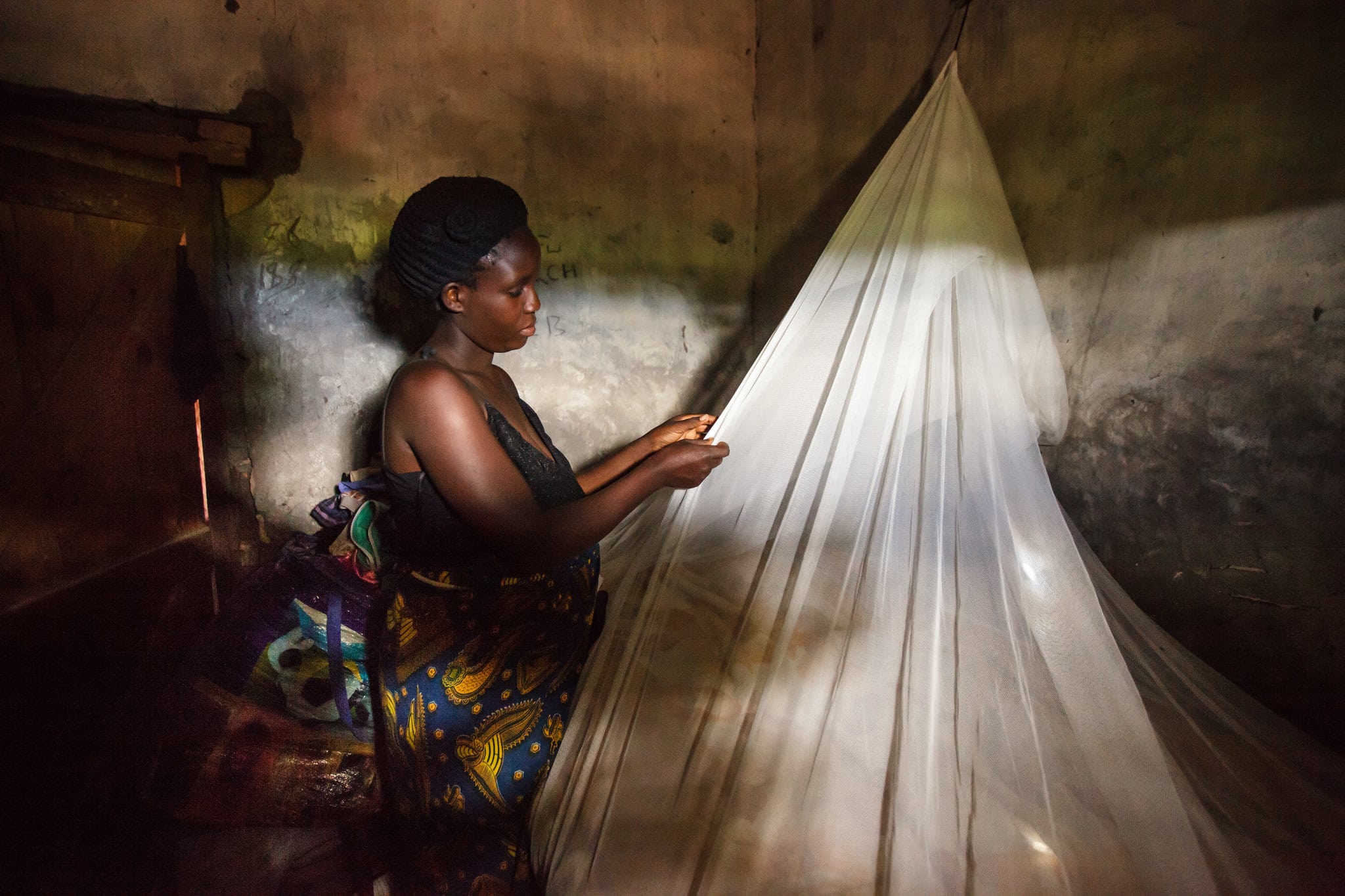
“It’s wonderful to see how well the investments in malaria … made over the last decade or so are paying off,” says CCP’s Angela Acosta, the malaria technical advisor for the Malaria Behavior Survey.

New qualitative research conducted by the CCP-led Breakthrough ACTION project sheds light on the challenges associated with TB care.
Receive the latest news and updates, tools, events and job postings in your inbox every month