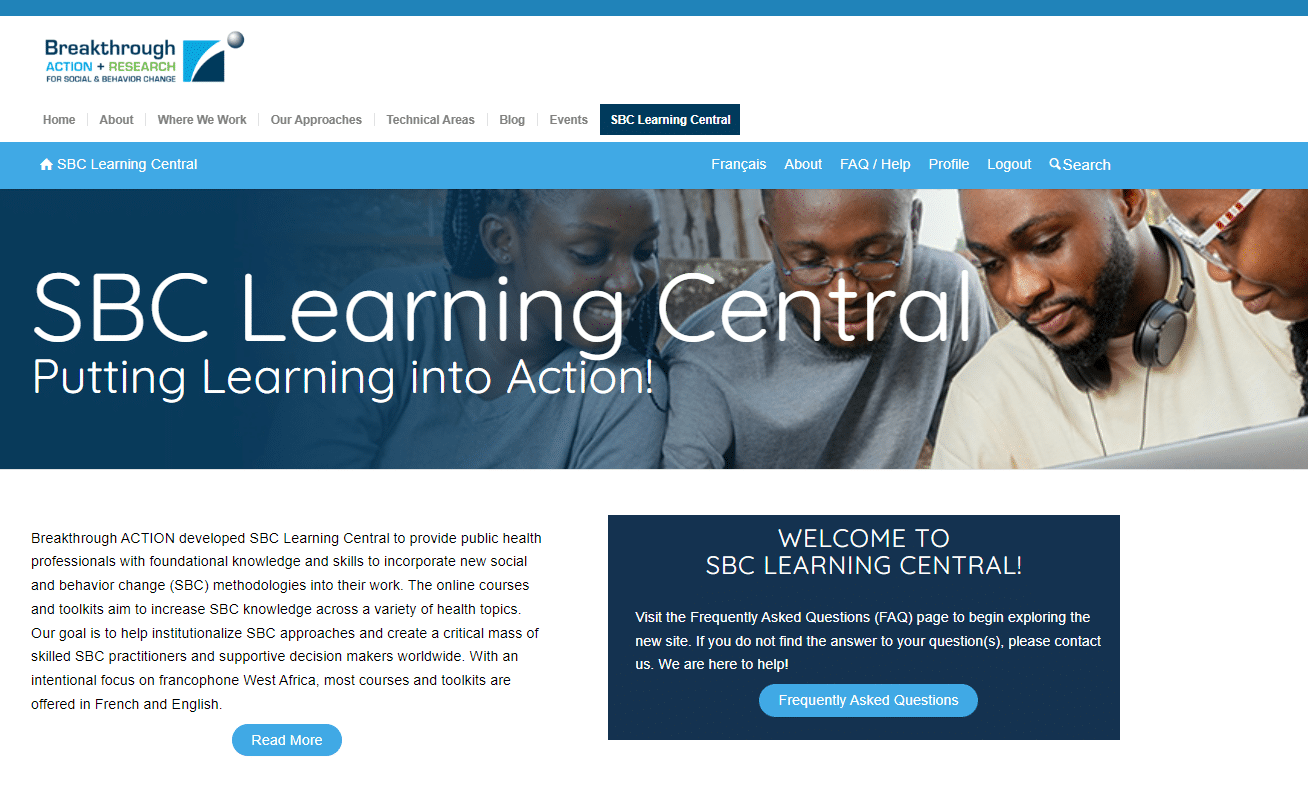
SBC Learning Central
Incorporate new social and behavior change approaches into your work with these learning opportunities.
Digital interventions play an important role in the art and science of designing programs, disseminating health messages and sharing results.
There isn’t an area of CCP untouched by technology, yet we don’t just adopt new technology for technology’s sake. We choose the right technology based on the needs of each of those we serve.
Why focus on digital interventions? Connectivity has improved, mobile device ownership has increased exponentially and donors and program managers expect a level of efficiency, innovation and immediacy that comes with utilizing digital technologies. New technology can also democratize information and dialogue, creating immediate feedback and easing true engagement.
Digital interventions help put our messages into the hands of people across the world. Innovation allows us to use new tools such as machine learning to inform development and measurement of our programs. It helps us take large troves of data and translate what we have learned into action and it ensures we can assess programs in real time and connect with professional communities of practice wherever they are.
And, as digital technology continues to improve, so will our ability to harness it to do good works.
The sudden closure of USAID and the upending of global health funding has left people around the world without some of the important online resources and country-specific tools they have come to rely on to do their work.
Though the funding is gone, the need is still there and growing. We see the need in our analytics. For example, a top country sending visitors to the Urban Adolescent Sexual and Reproductive Health Social and Behavior Change Communication Implementation Kit is the Democratic Republic of Congo. Another example can be seen in user behavior to the Knowledge Management Training package. Generally, most website traffic originates via search engine; however 60% of visits to the KM Training package site are direct.
There are real people behind these metrics, using these tools to create change in their communities.
To secure the future of many online resources developed by CCP-led, USAID funded projects over the past decade, CCP has taken measures to sustain valuable tools from SBC Learning Central to the Malaria Behavior Survey and beyond. From data analysis tools and how-to guides from what is believed to be the largest collection of social and behavior change communication materials anywhere on the Compass for SBC, CCP will maintain these sites for as long as possible.
If you’d like to help CCP maintain these crucial data, please contact us at ccpbd@jhu.edu.
Incorporate new social and behavior change approaches into your work with these learning opportunities.

The Knowledge Management Training Package for Global Health Programs is an online training resource with numerous ready-to-use training modules for KM trainers and health program managers. It covers topics ranging from how to apply KM in global health to storytelling, visual content, peer assists, and after-action reviews with the goal of strengthening the capacity of the global health workforce to manage and share critical knowledge needed to deliver results.
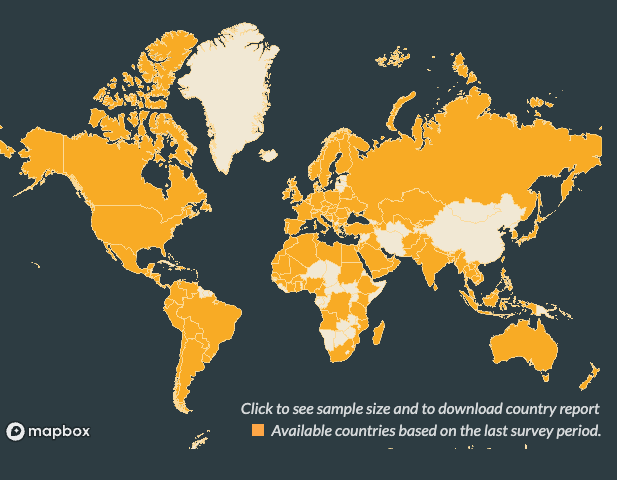
The COVID Behaviors dashboard presents data from a global survey of knowledge, attitudes and practices around COVID-19. Insights and analyses on how to use the data were written by researchers and social and behavior change communication experts at Johns Hopkins CCP in collaboration with WHO’s Global Outbreak Alert and Response Network (GOARN).

CCP-led Breakthrough ACTION produced a real-time rumor tracking system design and implementation guide for humanitarian and public health organizations as well as national governments seeking to document rumors in a systematic and dynamic fashion. The guide lays out an application of this approach using the District Health Information System 2 (DHIS2) open source software platform, including an overview of a pre-configured metadata package that can be installed on a new DHIS2 system or imported to an existing system.



Receive the latest news and updates, tools, events and job postings in your inbox every month