

Where to Find CCP at the 2026 International SBCC Summit
As a SBCC Summit co-host and longtime leader in the field, CCP will have a strong presence at the conference, which opens June 22 in Panama City.
As a SBCC Summit co-host and longtime leader in the field, CCP will have a strong presence at the conference, which opens June 22 in Panama City.

At the 2026 International SBCC Summit, CCP researchers from Ethiopia will present findings on Empathways, which helps family planning providers and young people understand how to make interactions more respectful and supportive.

The resource supports health communicators, community leaders, health providers, response teams and journalists with access to trusted communication tools during a rapidly evolving situation. Submit new resources today.

The Panamanian singer, songwriter, actor, former minister of tourism and activist will reflect on the power of storytelling, culture and music to shape public understanding, strengthen communities and inspire social change. He will appear in conversation with Carlos Chirinos of New York University.

“What changed was not only behavior,” says CCP’s Alfayo Wamburi, “but whether people felt able to speak up.”

With support from CCP, communities built on Idir, a long-standing Ethiopian social support system, to create a safety net that reduced risky practices during anthrax outbreaks.
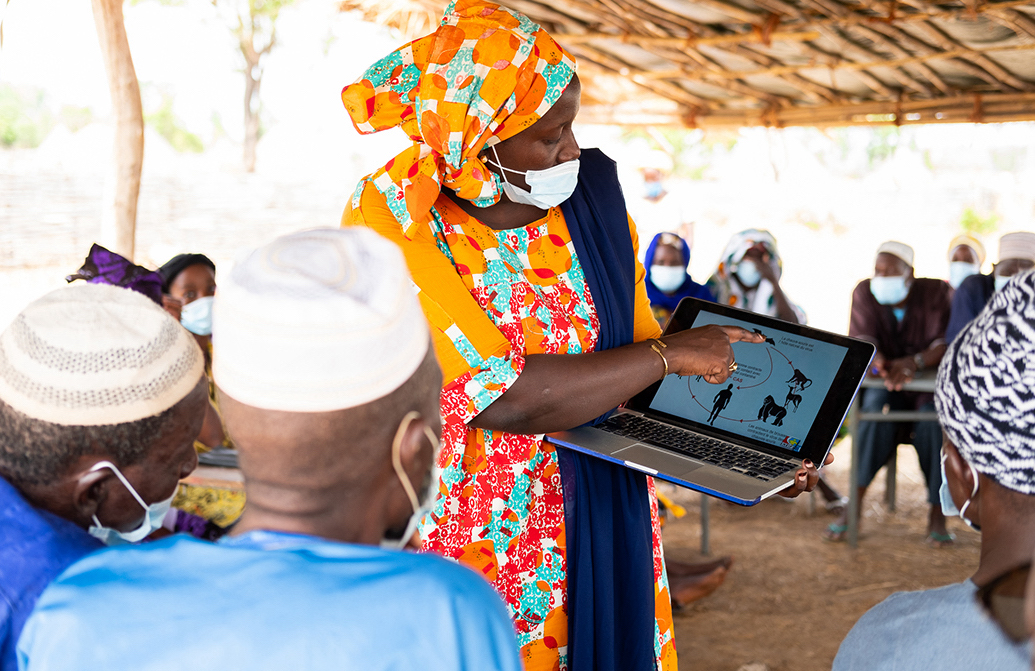
Audiences reject both scary stories about Ebola and stories that dismiss their concerns. CCP’s Alfayo Wamburi talks with the Poynter Institute.

Research from the AEGIS consortium helped shape how spatial repellents could be used, understood and adopted in real-world settings.

A new project led in part by CCP aims to address postpartum depression and obesity by designing support around what mothers say they actually need.

How a structured brainstorming session at the Johns Hopkins Center for Communication Programs became a years-long call to prevent drug deaths the community.
Receive the latest news and updates, tools, events and job postings in your inbox every month