
Malaria is preventable and treatable, which is what makes every death from it unacceptable.
Each year on World Malaria Day, on April 25, we take stock of progress. Over the past two decades, global efforts have saved millions of lives through prevention, testing, and treatment, bringing us closer than ever to ending malaria.
But this year, the message is more urgent. Progress is fragile. We need to stay focused and keep pushing forward.
With major cuts to global health funding and shifting priorities over the last 18 months, malaria programs are facing disruptions, from delayed bed net campaigns to gaps in testing and treatment. When funding falters, the systems that sustain progress begin to weaken.
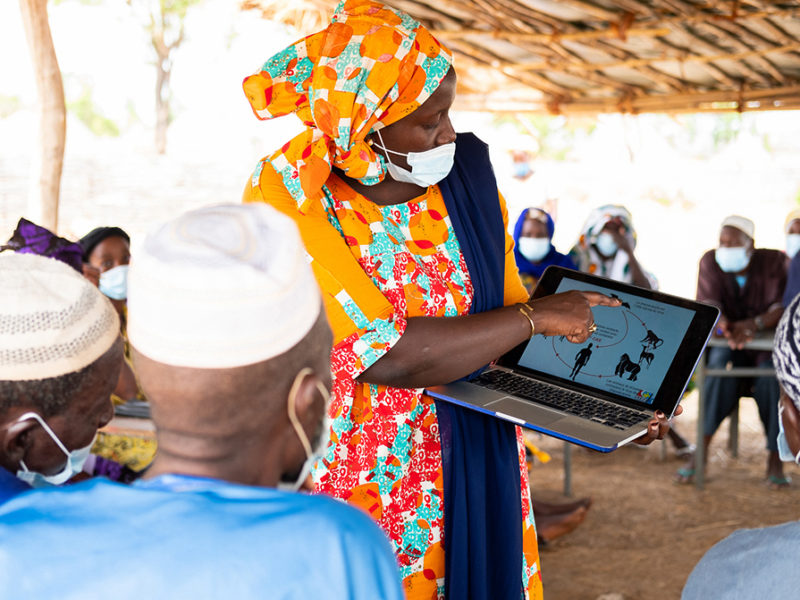
One of the first areas to be reduced is funding for social and behavior change and knowledge management, which are essential to ensuring that people understand, trust, and consistently engage with malaria prevention and treatment.
These functions are not add-ons. They are integral to sustaining progress.
In many countries, reducing malaria cases and deaths depends on coordinated control systems that connect community health workers, surveillance, health facilities and providers, and targeted planning to reach high-risk communities.
For example, a bed net campaign only works if families know how to use and replace nets when needed. Testing and treatment depend on providers who are trained, supported, and trusted to deliver accurate diagnoses and clear guideline-based care.
When these systems are disrupted, the consequences are immediate.
We have experienced these consequences before. During the COVID-19 pandemic, disruptions to malaria services contributed to an estimated 47,000 additional deaths in sub-Saharan Africa.
Malaria remains a major global threat. According to the World Health Organization, there are hundreds of millions of cases globally and more than 600,000 deaths each year, most among young children in sub-Saharan Africa. Funding continues to fall short of what is required each year to sustain and expand these life-saving efforts.
These gaps do not just slow progress. They weaken the delivery of prevention and care to the people who need them most.
We have effective interventions to prevent, detect, and treat malaria, but they only save lives when used correctly, from insecticide-treated nets and indoor spraying to diagnostic tests and even new vaccines.
That is why sustained investment in communication, community engagement, and knowledge sharing is essential. When people understand how to protect themselves and trust the services available, they are more likely to act consistently. At the same time, providers need the knowledge, tools, and support to deliver quality care and build trust in every interaction.
The impact is tangible. Fewer children miss school. Fewer parents miss work. Fewer families are pushed into crisis by preventable illness.
Now is the time to protect what works and to invest in the parts of the response that make everything else effective. That means not only funding commodities and technologies, but also strengthening the human side of the fight: clear information, shared evidence, trusted voices, and sustained engagement.
Sustaining progress will require continued commitment from governments, partners, and communities alike, and support for global partnerships like the RBM Partnership to End Malaria, which help keep malaria high on the global agenda.
Ending malaria depends on informed and engaged communities consistently using the interventions available to them.
On this World Malaria Day, the message is clear: we are closer than ever, but not close enough to slow down.
We have made extraordinary progress, and we have the interventions needed to go further. What is needed now is the commitment to use them at scale.
Reaching zero malaria will depend on what we all do next.
Debora B. Freitas López, MS, is the executive director of the Johns Hopkins Center for Communication Programs.